
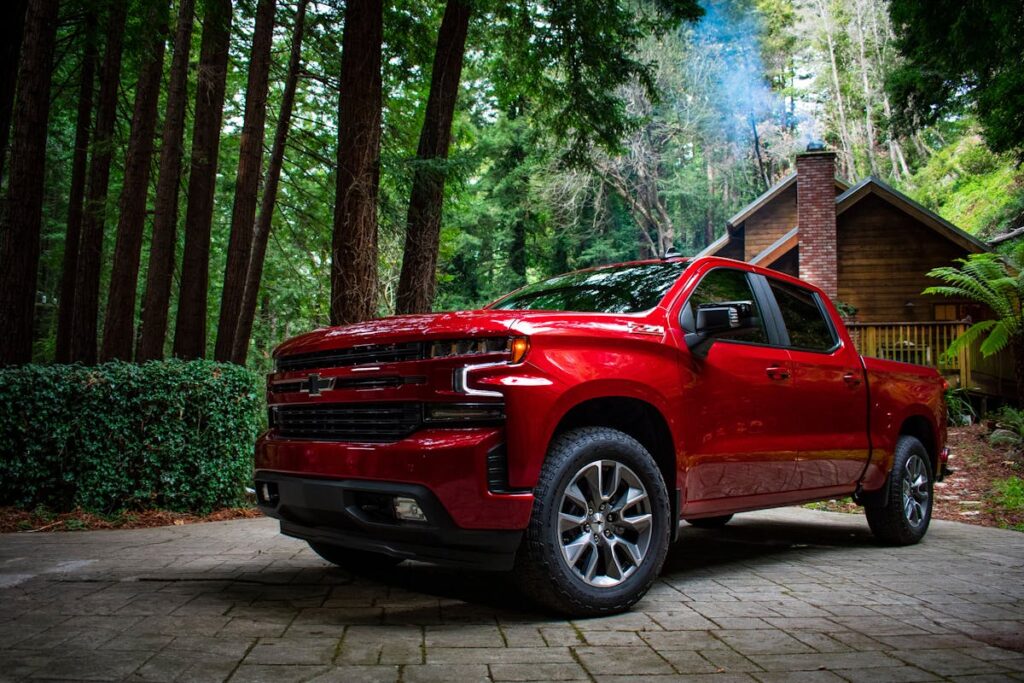
The Chevrolet Silverado has faced a range of issues that vary across its generations. From fuel efficiency drawbacks in early models to transmission shudders in later versions, each iteration presents unique challenges. Recent models also face electrical malfunctions, despite advancements in interior materials and braking technology. Understanding these persistent problems is essential for potential buyers and current owners, offering insights into vehicle longevity and maintenance needs. What further complexities might each generation reveal?
First Generation Silverado (1999-2006) Issues
The first generation of Chevrolet Silverado, produced from 1999 to 2006, is known for its robust design but also exhibits some recurring issues that are pertinent for owners and potential buyers to contemplate. A significant concern revolves around fuel efficiency. The Silverado’s V8 engines, while powerful, tend to consume more fuel compared to competitors, impacting operational costs. This generation also faced mixed safety ratings; while the structure provided solid crash protection, certain models lacked advanced safety features, affecting overall performance in safety evaluations. Additionally, owners reported frequent issues with the anti-lock braking system, which could compromise braking efficiency. Such technical considerations should be weighed when evaluating the long-term viability and overall value of these vehicles in the used market.
Second Generation Silverado (2007-2013) Problems
Despite improvements over its predecessor, the second generation Chevrolet Silverado (2007-2013) still presents several significant issues that merit careful consideration. Importantly, fuel efficiency remains a concern, as many models in this generation struggle with achieving competitive miles per gallon compared to industry standards of the time. This shortcoming can impact both the operating costs and environmental footprint for owners. Additionally, safety ratings for this generation reveal potential areas for enhancement. While certain versions received respectable scores in crash tests, inconsistencies in results across different trims highlight variability in occupant protection. Additionally, some units faced recalls due to airbag malfunctions and brake system issues, further impacting the overall safety perception of this generation. Prospective buyers should weigh these factors in their decision-making process.
Third Generation Silverado (2014-2018) Concerns
The Third Generation Silverado, spanning production years 2014 to 2018, has been noted for specific issues, particularly concerning transmission and air conditioning systems. Transmission shudder has been a recurrent problem, often attributed to torque converter malfunctions, which may affect driving smoothness and vehicle longevity. Additionally, the AC system failures, primarily linked to leaky condenser units, have raised concerns among owners regarding reliability and repair costs.
Transmission Shudder Issues
Although the third-generation Silverado (2014-2018) has been praised for its robust performance and durability, it is not without its transmission shudder issues. Industry analysis reveals that transmission shudder can often be attributed to the condition of the transmission fluid. Over time, the fluid may degrade, losing its viscosity and lubrication properties, which can lead to increased friction and vibration within the transmission system. This degradation is one of the primary shudder causes in these Silverado models. Experts recommend regular transmission fluid checks and timely replacements to mitigate these issues. Additionally, some reports suggest that software updates to the transmission control module may alleviate shudder by optimizing shift patterns, offering a potential solution for affected vehicles.
AC System Failures
While the third-generation Silverado (2014-2018) is known for its rugged capabilities, the AC system failures have emerged as a notable concern among owners. These issues primarily stem from AC component failures and refrigerant leaks, which compromise the system’s efficiency and reliability. The compressor, a critical component, often experiences premature wear, leading to insufficient cooling. Additionally, refrigerant leaks are frequently observed, particularly at the condenser, due to material degradation or poor sealing. These failures not only affect cabin comfort but can also incur significant repair costs. Industry experts recommend regular inspections and timely replacements of vulnerable parts to mitigate these issues. Addressing these problems is essential for maintaining the vehicle’s value and ensuring a comfortable driving experience in varying climates.
Fourth Generation Silverado (2019-Present) Challenges
The Fourth Generation Silverado, introduced in 2019, has encountered several technical challenges that merit attention. Notable among these are transmission system issues that have raised reliability concerns, alongside reported glitches in the infotainment system affecting user experience. Additionally, electrical system malfunctions have been observed, highlighting areas for potential improvement in the model’s overall performance and dependability.
Transmission System Issues
Reliability remains a cornerstone of the Silverado’s reputation, yet the fourth generation (2019-present) has encountered notable transmission system issues. Users have reported shifting problems, often manifesting as hesitation or jerking during gear changes. These issues can be attributed to the transmission fluid not maintaining ideal viscosity under varying operating conditions, which compromises the smoothness of shifts between gears. Industry experts highlight that this may affect the longevity of the transmission components, urging regular monitoring and maintenance. Additionally, some owners have noted delayed or abrupt downshifting, which can disrupt the driving experience and pose safety concerns. Addressing these issues may require recalibration of the transmission software or, in some cases, replacement of components, emphasizing the need for thorough diagnostic evaluations.
Infotainment Glitches Reported
Beyond transmission system concerns, the infotainment system in the fourth-generation Silverado (2019-present) has also presented notable challenges, raising issues of functionality and user satisfaction. Users report frequent connectivity problems, particularly with Bluetooth and smartphone integration, which interfere with the seamless operation expected from modern vehicles. The system’s reliability is further questioned due to slow response times and occasional screen freezing, which detracts from the user experience.
Infotainment updates have been released to address these glitches, yet some users continue to encounter persistent issues. These technical difficulties underscore the need for more robust software solutions and enhanced support from manufacturers. As the automotive industry increasingly prioritizes digital integration, resolving these infotainment glitches is essential to maintaining customer trust and satisfaction with the Silverado brand.
Electrical System Malfunctions
Amidst the technological advancements in the fourth-generation Silverado, electrical system malfunctions have emerged as a significant challenge for owners. Importantly, battery failures have been frequently reported, undermining the reliability of the vehicle. These failures are often attributed to suboptimal battery management systems, leading to unexpected power losses. Wiring issues further compound these problems, where inadequate insulation and poor connectivity result in erratic electrical behavior. Such inconsistencies can affect essential functions, including lighting and ignition systems, which are critical for safe operation. Industry experts suggest that these malfunctions may arise from complex electronic architectures that, while offering advanced features, also introduce vulnerabilities. Manufacturers are urged to address these concerns proactively to enhance the dependability of this otherwise robust vehicle line.
Common Engine Problems Across Generations
Across various generations of the Chevrolet Silverado, engine performance issues have been a notable concern for owners and automotive experts alike. A recurring challenge is the balance between engine performance and fuel efficiency. Many Silverado models exhibit suboptimal power output, which can lead to decreased towing capacity and acceleration. This often stems from outdated engine designs that struggle to keep pace with modern fuel efficiency standards. Additionally, carbon buildup in the engine’s intake valves has been frequently reported, affecting overall power delivery and combustion efficiency. Another prevalent issue is the frequent occurrence of oil consumption, which not only impacts engine longevity but also contributes to higher maintenance costs. These engine-related challenges highlight the need for continuous improvement in the Silverado’s design across its various iterations.
Transmission Troubles in Silverados
Silverado models, spanning multiple generations, have consistently encountered transmission troubles that pose significant concerns for owners and mechanics. These issues often manifest as shifting irregularities, which can lead to unpredictable vehicle performance and diminished drivability. In many instances, the root cause is linked to transmission fluid problems, such as leaks or contamination, leading to inadequate lubrication and cooling. This condition may exacerbate the wear on internal transmission components, further compounding shifting issues. Industry experts emphasize the importance of regular maintenance, including timely fluid changes, to mitigate these challenges. Additionally, advancements in diagnostic tools have improved the identification of transmission faults, yet recurring problems persist. The interplay between mechanical wear and fluid dynamics remains a critical focus for ongoing vehicle reliability studies.
Electrical System Faults in Silverado Models
Electrical system faults, often regarded as complex and elusive, have been a recurring issue in Silverado models. A critical area of concern is the wiring harness, which can suffer from wear over time, leading to connectivity issues and erratic electrical behavior. These faults can manifest as malfunctioning lights, failure of electronic accessories, or even complete electrical system shutdowns. Additionally, battery drain is a prevalent problem, often attributed to faulty components within the electrical system that continue to draw power even when the vehicle is off. Technicians frequently encounter these issues across various Silverado generations, necessitating thorough diagnostics to pinpoint the exact cause. Industry insights suggest that regular inspections and maintenance of the wiring harness could mitigate these persistent electrical challenges.
Suspension and Brake Issues in Different Generations
While often praised for their durability, Silverado models have not been immune to suspension and brake issues, which vary across different generations. Early models frequently experienced premature suspension component wear, prompting many owners to contemplate aftermarket suspension upgrades for enhanced reliability and performance. In contrast, more recent generations have seen improvements in factory suspension systems, though some users still report issues under heavy load conditions. Brake systems, essential for safety, have also faced challenges. Older Silverados might require more frequent brake maintenance due to rotor warping and caliper issues, whereas newer models benefit from advancements in brake technology. However, vigilance in regular brake maintenance remains vital to guarantee peak performance over the vehicle’s lifespan. These continuous evolutions highlight Chevrolet’s response to past shortcomings.
Interior and Exterior Build Quality Concerns
Beyond mechanical elements, attention turns to the build quality of the Silverado, both inside and out. Evaluations reveal mixed assessments regarding interior materials, which vary greatly across generations. Earlier models have faced criticism for plastic-heavy interiors that lack durability and aesthetic appeal. In contrast, newer iterations show marked improvements, employing higher-grade materials to enhance both tactile and visual quality.
Simultaneously, exterior finishes have been scrutinized for issues such as paint chipping and corrosion, particularly in older models. These concerns impact the vehicle’s overall longevity and aesthetic presentation. Manufacturers have responded by upgrading paint formulations and implementing rust-resistant coatings in recent releases. Industry observers note that while advancements have been made, continuous improvements in both interior and exterior build quality remain essential for maintaining Silverado’s competitive standing.
Frequently Asked Questions
How Do Silverado Models Compare in Fuel Efficiency Across Generations?
Silverado models show varying fuel economy across generations, primarily influenced by evolving engine options. Technological advancements in powertrains have generally improved efficiency, though increases in size and power demands in later models can impact overall fuel performance.
What Are the Towing Capacities for Different Silverado Generations?
The towing specifications and payload capacities of Silverado models vary by generation, influenced by engine options and technological advancements. Earlier models generally offer lower capacities, while newer generations improve considerably, reflecting industry trends towards enhanced performance and efficiency.
How Have Safety Features Evolved in Silverado Trucks Over the Years?
Silverado trucks have seen significant safety advancements, with airbag advancements enhancing occupant protection. Collision prevention systems have evolved, incorporating features like automated braking and lane-keeping assist, reflecting ongoing industry commitment to vehicle safety and technological innovation over the years.
What Are the Most Common Paint and Rust Issues in Silverados?
Silverado trucks often face challenges with paint durability, particularly in harsh climates. Despite advancements in rust prevention techniques, some models still experience corrosion issues, primarily around wheel wells and undercarriages, due to exposure to moisture and road salt.
How Reliable Is the Silverado’s Resale Value Over Time?
The Silverado’s resale trends indicate strong value retention over time, attributed to its reputation for durability and performance. Industry insights reveal consistent demand in the used market, although fluctuations can occur due to economic conditions and model-specific factors.