
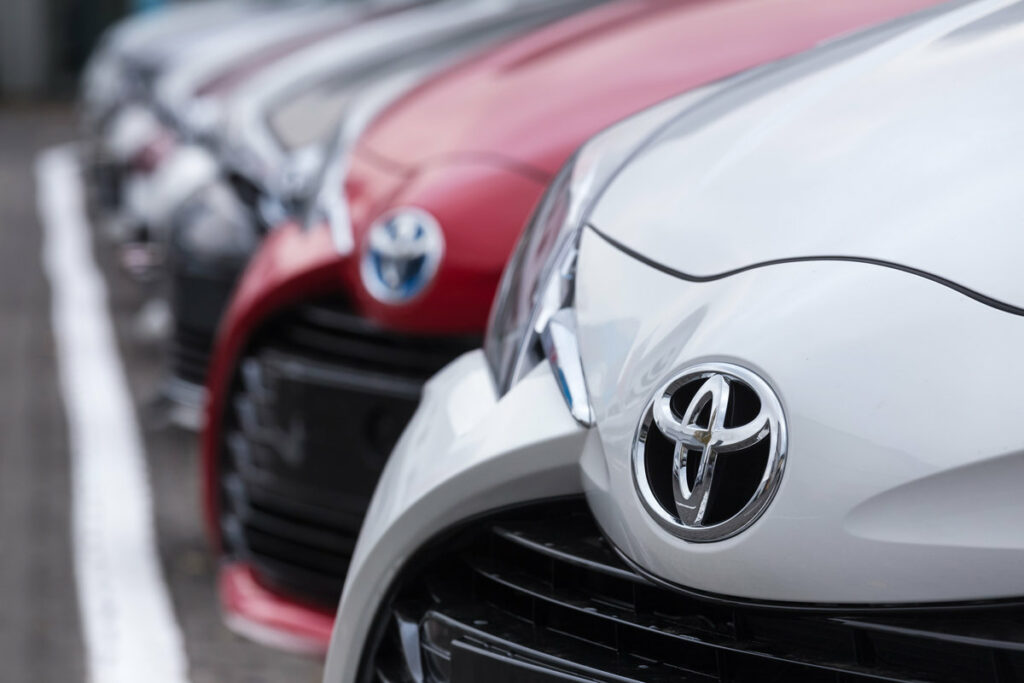
Toyota’s maintenance costs vary considerably across its models, reflecting its strong reputation for reliability and affordability. Models like the Corolla, Camry, and RAV4 are known for low routine service expenses, while the Prius, with its hybrid technology, incurs moderate costs. The Tacoma requires attention to specific maintenance issues. Regular service adherence is essential for cost efficiency and longevity. Understanding these variations can guide consumers in making informed decisions about their vehicle investments.
Understanding Maintenance Costs for the Toyota Corolla
When evaluating maintenance costs for the Toyota Corolla, it is vital to take into account the interplay between its engineering reliability and the frequency of routine service. The Corolla’s robust design is reflected in its high reliability ratings, which greatly influence its maintenance expenses. With fewer breakdowns, owners can anticipate reduced unexpected repair costs. However, adherence to manufacturer-recommended Corolla service intervals remains fundamental. Regular servicing, typically every 5,000 to 10,000 miles, guarantees peak performance and longevity. These intervals include oil changes, tire rotations, and inspections, which are designed to maintain the vehicle’s reliability. While the initial costs of routine service may appear frequent, they prevent more costly repairs down the line, balancing the Corolla’s reputation for affordability and dependability.
Cost Analysis for Maintaining a Toyota Camry
Although the Toyota Camry is renowned for its reliability, a detailed cost analysis of its maintenance reveals important financial considerations for owners. Camry reliability factors include its robust engineering and low incidence of major mechanical failures, contributing to its reputation as a cost-effective vehicle to maintain over time. Routine maintenance tasks, such as oil changes and brake pad replacements, are generally affordable and can be performed through Camry DIY maintenance, reducing labor expenses. However, owners should budget for periodic costs associated with more complex services, such as timing belt replacement and transmission servicing, which may necessitate professional intervention. Overall, the Camry’s maintenance costs are competitive within its segment, balancing reliability with manageable expenses, thereby reinforcing its appeal among budget-conscious consumers.
Exploring Maintenance Expenses for the Toyota RAV4
In examining the maintenance expenses for the Toyota RAV4, it’s evident that this compact SUV combines practicality with affordability regarding upkeep. The RAV4’s reliability ratings consistently rank high, contributing to its reputation for low long-term repair costs. This model benefits from Toyota’s robust engineering, minimizing unexpected issues. Adhering to regular RAV4 service intervals, which typically include oil changes, tire rotations, and brake inspections, helps sustain its performance and efficiency. Industry data suggests that the RAV4’s maintenance costs are generally lower than those of its competitors in the same segment. This cost-effectiveness, paired with its reliability ratings, makes the RAV4 a preferred choice for budget-conscious consumers seeking an economical yet dependable vehicle option.
Maintenance Insights for the Toyota Tacoma
The Toyota Tacoma is recognized for its durability, yet it experiences specific maintenance issues such as suspension wear and brake system upkeep. Addressing these common concerns with cost-effective repair strategies is essential for optimizing long-term operational efficiency. Adhering to a thorough maintenance schedule helps mitigate potential failures and guarantees the Tacoma’s reliability and performance remain uncompromised.
Common Tacoma Maintenance Issues
Even with its reputation for durability, the Toyota Tacoma is not immune to certain maintenance challenges that owners frequently encounter. Among the most notable are Tacoma transmission issues, which can manifest as hard shifting or delayed gear engagement, often necessitating a thorough inspection and potential servicing of the transmission system. Additionally, Tacoma brake maintenance is vital to guarantee peak performance, with common problems including premature brake wear and rotor warping. Regular inspections and timely replacements of brake pads and rotors are essential to maintaining the vehicle’s safety and reliability. These issues, while not ubiquitous, require attention to prevent more significant problems and guarantee that the Tacoma continues to deliver the performance and longevity that it is renowned for.
Cost-effective Tacoma Repairs
Savvy Tacoma owners often prioritize cost-effective repairs to maximize their vehicle’s longevity and minimize expenses. A strategic approach to Tacoma repair involves identifying common issues early, enabling budget friendly maintenance. Diagnostic tools, such as OBD-II scanners, can preemptively identify potential problems, reducing the need for costly repairs. For instance, replacing worn brake pads before they damage rotors showcases a cost-effective strategy. OEM or quality aftermarket parts offer reliability without excessive costs, crucial in keeping expenses manageable. Moreover, leveraging reputable independent repair shops can provide substantial savings compared to dealership rates. Regularly inspecting components like the suspension and exhaust systems can reduce unexpected failures. Ultimately, informed decisions regarding Tacoma repair can greatly impact the total cost of ownership.
Tacoma Maintenance Schedule
Understanding the Tacoma maintenance schedule is essential for maximizing performance and extending vehicle lifespan. Regular adherence to this schedule guarantees the Tacoma operates efficiently, preventing costly repairs. Key components include timely Tacoma oil changes, recommended every 5,000 to 7,500 miles, which maintain engine health and efficiency. Confirming the Tacoma tires are rotated every 5,000 to 6,000 miles is critical for uniform wear and extended tire life. Additionally, inspecting brakes, fluid levels, and alignment during routine maintenance is advised for thorough vehicle care. The Tacoma maintenance schedule further recommends replacing the air filter every 15,000 to 30,000 miles, supporting peak engine performance. Following these guidelines can lead to reduced overall maintenance costs and enhanced vehicle reliability.
Evaluating Costs for the Toyota Prius Maintenance
Analyzing the maintenance costs for the Toyota Prius involves examining common service tasks such as oil changes, brake pad replacements, and hybrid battery inspections. The frequency of maintenance visits typically aligns with the manufacturer’s recommended schedule, often every 5,000 to 10,000 miles. Average repair costs for the Prius tend to be moderate, with hybrid-specific components like the battery system being among the more significant expenses.
Common Prius Service Tasks
The Toyota Prius, widely recognized for its fuel efficiency and hybrid technology, requires a series of routine service tasks to maintain peak performance. Central to these tasks is the monitoring and maintenance of the Prius battery, a critical component in the hybrid system. Guaranteeing the battery’s ideal condition involves periodic checks and, if necessary, replacement, which can incur significant costs. Additionally, regular oil changes are essential for the Prius engine’s longevity and efficiency. Using the recommended Prius oil type guarantees the engine remains well-lubricated, reducing wear and tear. Brake inspections, tire rotations, and fluid level checks are also integral to the Prius’s maintenance regimen. These service tasks collectively guarantee that the Prius remains reliable, efficient, and cost-effective in the long term.
Frequency of Maintenance Visits
Routine maintenance visits are essential to guarantee the Toyota Prius continues to operate efficiently and reliably. Frequency analysis reveals that the Prius typically requires service every 5,000 to 10,000 miles, depending on driving conditions and usage patterns. Industry insights suggest that this frequency aligns with observed maintenance trends for hybrid vehicles, emphasizing the importance of regular check-ups to prevent costly damage. Detailed evaluations indicate that oil changes, tire rotations, and brake inspections are among the most common tasks during these visits, reflecting the Prius’s hybrid-specific maintenance needs. These maintenance trends underscore the importance of adhering to the recommended schedule, as neglecting routine service can lead to decreased performance and increased long-term costs. Consequently, maintaining adherence to advised intervals optimizes vehicle lifespan and efficiency.
Average Repair Costs
When considering the average repair costs for the Toyota Prius, it becomes evident that hybrid-specific components and systems play a significant role in determining expenses. Hybrid technology, including the battery pack and electric motor, contributes to higher costs compared to traditional vehicles. Repair frequency is generally moderate, yet when issues arise, specialized knowledge and parts may increase expenditures. Cost comparison with non-hybrid models often reveals a disparity due to these unique requirements. However, the Prius’s overall reliability tends to counterbalance its higher repair costs, maintaining its appeal. Industry insights suggest that while initial expenses can be steeper, the Prius benefits from lower fuel consumption and reduced emissions, offering long-term savings that can offset maintenance investments over time.
An Overview of Maintenance Costs for the Toyota Highlander
As one of Toyota’s most popular midsize SUVs, the Highlander often garners attention for its balance of reliability and utility, making maintenance costs a critical consideration for potential owners. The Highlander is renowned for its reliability, contributing to its long-term cost efficiency. Routine maintenance, such as oil changes and tire rotations, is generally on par with industry standards for midsize SUVs. Highlander longevity is a key factor, with many models surpassing 200,000 miles with proper care. Scheduled services and occasional repairs should be anticipated, but the Highlander’s engineering minimizes unexpected expenses. The vehicle’s parts are generally affordable and widely available. Overall, the Highlander presents a cost-effective maintenance profile, aligning with Toyota’s reputation for durable, dependable vehicles.
Understanding the Maintenance Budget for the Toyota 4Runner
The Toyota 4Runner, a robust midsize SUV, commands attention with its off-road capability and durability, making it a popular choice for enthusiasts and adventurers alike. Its 4Runner reliability is a standout feature, reducing the frequency of repairs while enhancing its reputation for longevity. Owners prioritizing 4Runner longevity benefit from consistent maintenance, which mitigates wear and extends vehicle life. The model’s design supports 4Runner upgrades, allowing customization that can influence maintenance budgets by introducing advanced components. Although the 4Runner repairs are generally less frequent, they can be costly due to specialized parts and labor. Consequently, budgeting for maintenance is essential. A strategic approach encompasses regular servicing, which aligns with its robust performance and guarantees sustained reliability through its operational lifespan.
Maintenance Expense Breakdown for the Toyota Sienna
Toyota’s Sienna minivan, renowned for its practicality and family-friendly design, presents a distinct maintenance profile compared to other models. Analyzing Sienna reliability ratings reveals its reputation for durability, with a tendency to exhibit fewer mechanical issues over its lifespan. This enhances its appeal among consumers seeking long-term dependability. However, the Sienna’s repair frequency, while generally low, can vary based on usage patterns and adherence to routine maintenance schedules. Common service needs include brake pad replacements, oil changes, and tire rotations. Additionally, the Sienna’s advanced technological features may require periodic software updates, contributing to overall maintenance expenses. On average, the cost structure remains moderate, reflecting a balance between initial affordability and sustained operational efficiency, making the Sienna a viable choice for families.
Comparing Maintenance Costs for the Toyota Tundra
Examining the maintenance costs associated with the Toyota Tundra reveals insights into its operational efficiency and long-term viability. Renowned for Tundra reliability, the model boasts robust engineering that supports Tundra longevity. Tundra parts are generally durable, contributing to reduced frequency of Tundra service requirements. Ownership costs are further mitigated by extensive Tundra warranties, which cover major components, reducing unexpected expenses. Despite its initial price positioning, Tundra depreciation rates are competitive, aiding in sustained value retention over time. Performance metrics remain strong, ensuring Tundra performance aligns with consumer expectations. To conclude, the Toyota Tundra represents an ideal balance between upfront investment and ongoing maintenance, reinforcing its status as a preferred choice for those prioritizing durability and cost-effectiveness in vehicle ownership.
Frequently Asked Questions
How Does Toyota’s Maintenance Cost Compare to Other Car Brands?
Toyota’s maintenance costs are generally lower due to Toyota reliability. When conducting a brand comparison, Toyota often stands out for cost-efficiency, with maintenance expenses typically less than those of other brands, enhancing its overall value proposition.
What Factors Influence the Variability in Toyota Maintenance Costs?
The variability in maintenance costs is influenced by cost factors such as parts availability, labor rates, and regional differences. Additionally, model-specific technology, age, and mileage contribute to fluctuating expenses across different geographic locations and service providers.
Are Hybrid Toyota Models More Expensive to Maintain Than Non-Hybrids?
Analyzing hybrid reliability, hybrid Toyota models often offer maintenance savings compared to non-hybrids. Their fewer moving parts reduce wear and tear. However, battery replacement costs can be significant, potentially offsetting these savings, depending on usage and warranty coverage.
How Do Toyota Maintenance Costs Change With Mileage?
Mileage impact on maintenance costs involves a detailed cost analysis, revealing increased expenses as mileage accumulates. Routine services, part replacements, and potential repairs contribute to rising costs, emphasizing the importance of regular maintenance intervals for cost efficiency.
What Are Common Maintenance Issues Across All Toyota Models?
Common maintenance issues across all Toyota models include routine oil changes and brake replacements. These tasks are essential for maintaining vehicle performance and safety, with recommended intervals varying based on driving conditions and individual vehicle usage patterns.