
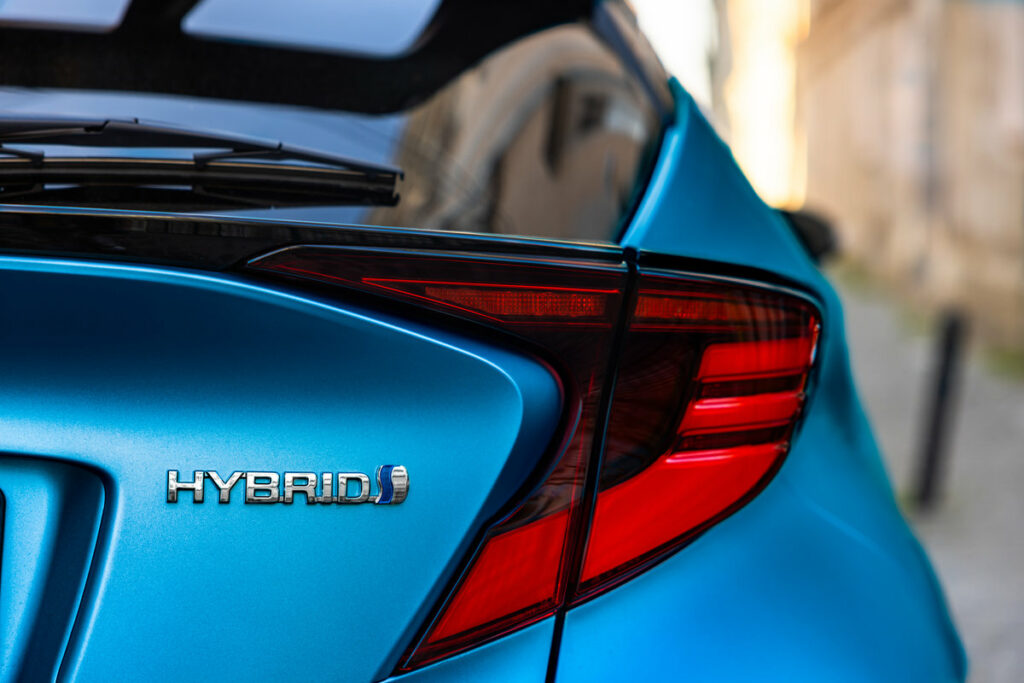
Toyota hybrid reliability ratings are critical for evaluating the durability and efficiency of these vehicles. These ratings are derived from extensive empirical data, thorough customer satisfaction surveys, and expert evaluations. Focusing on mechanical issues, recall history, and overall durability, they offer valuable insights into the long-term ownership experience. Models like the Toyota Prius consistently excel, yet understanding the nuances of these ratings can be the key to a sound investment in hybrid technology.
Understanding Reliability Ratings
Reliability ratings, an essential metric in the automotive industry, quantify the dependability of vehicles based on empirical data and expert evaluations. These ratings serve as a critical component in evaluating the long-term performance of Toyota hybrids. Through thorough rating systems, industry analysts establish reliability benchmarks that provide a standardized measure of vehicle durability. Factors such as mechanical issues, recall history, and customer satisfaction surveys are integrated into these systems to guarantee accuracy and objectivity. Toyota hybrids are typically evaluated against these benchmarks to determine their ranking within the market. The culmination of these evaluations results in ratings that guide consumer decisions and influence brand perception, positioning Toyota hybrids as potential leaders in reliability within the automotive industry.
Performance and Efficiency of Toyota Hybrids
Toyota hybrids are renowned for their impressive performance and superior efficiency, setting industry standards with cutting-edge technology and engineering. These vehicles integrate advanced hybrid technology to optimize power delivery and fuel consumption. The synergy between combustion and electric propulsion systems allows for seamless shifts, maximizing fuel efficiency without compromising on performance.
Toyota’s hybrid technology employs regenerative braking, capturing energy typically lost in deceleration and redirecting it to recharge the battery. This innovation contributes greatly to enhanced fuel efficiency. In addition, the aerodynamic design and lightweight construction of Toyota hybrids reduce drag and improve energy utilization.
In objective analysis, Toyota’s hybrid lineup consistently achieves high miles per gallon (MPG) ratings, underscoring their commitment to sustainable automotive solutions. This balance of performance and efficiency sets a benchmark within the hybrid vehicle segment.
Longevity of Hybrid Components
When considering the longevity of hybrid components, it becomes evident that the durability of these systems is a critical factor in the overall reliability of hybrid vehicles. Toyota hybrids, known for their engineering excellence, exhibit robust component durability and an impressive battery lifespan. The nickel-metal hydride or lithium-ion batteries, central to hybrid functionality, often sustain performance for over 150,000 miles, with many vehicles exceeding this threshold. Electric motors and power electronics are engineered to withstand rigorous operational demands, contributing to Toyota’s reputation for resilience. Thorough testing guarantees that components remain reliable under varied conditions. The synergy between advanced materials and precise manufacturing techniques enhances longevity, making Toyota hybrids a benchmark in the industry. Consequently, longevity remains integral to their sustained market standing.
Maintenance Costs and Considerations
While considering the maintenance costs and considerations for Toyota hybrids, it is essential to acknowledge their impact on the total cost of ownership. Toyota hybrids are renowned for their low routine servicing expenses due to fewer mechanical complexities compared to conventional vehicles. However, the hybrid battery remains a significant factor in maintenance budgets. Typically, hybrid batteries are durable, but replacement costs can be substantial, necessitating strategic planning for long-term ownership. Routine servicing, such as oil changes and brake inspections, is less frequent due to regenerative braking and efficient engine performance. Industry experts highlight that Toyota’s commitment to quality engineering minimizes unexpected repairs, enhancing reliability. Overall, understanding these maintenance dynamics assists potential buyers in making informed decisions regarding Toyota hybrid investments.
Comparing Reliability Across Models
Although Toyota’s hybrid lineup is celebrated for its reliability, differences in performance and durability exist across various models. Hybrid technology has been integrated into a range of Toyota vehicles, each offering distinct attributes. For instance, the Toyota Prius, often heralded as a pioneer in hybrid technology, consistently ranks high in long-term reliability. Conversely, the Camry Hybrid blends fuel efficiency with traditional sedan comforts but may exhibit slightly varied performance metrics compared to its counterparts. Model comparisons reveal that the RAV4 Hybrid stands out for its balance of utility and efficiency, appealing to consumers seeking versatility. Evaluating these models requires an understanding of varying battery lifespans, component durability, and overall system integration. Each model’s reliability is influenced by its unique design and intended use.
Insights From Industry Experts
The examination of Toyota’s hybrid models’ reliability is further enriched by insights from industry experts. Their evaluations highlight Toyota’s continued leadership in hybrid technology, emphasizing its commitment to quality engineering. Expert insights reveal that Toyota’s hybrid systems are designed with durability and efficiency in mind, minimizing mechanical failures and maximizing fuel economy. Industry predictions suggest that as hybrid technology evolves, Toyota will maintain its competitive edge through incremental advancements in battery life and electronic systems. Analysts also note Toyota’s strategic focus on refining rather than overhauling its hybrid platforms, ensuring continuity and reliability across model updates. These expert insights underscore Toyota’s hybrid vehicles as exemplars of innovation and dependability in the automotive market, reinforcing their strong reputation for reliability.
Customer Experiences and Testimonials
Many Toyota hybrid owners report high satisfaction levels, attributing their positive experiences to the vehicles’ consistent performance and fuel efficiency. These attributes are frequently highlighted in customer testimonials, which provide valuable insights into real world experiences. Owners often praise the seamless integration of hybrid technology, noting the smooth shift between electric and gasoline power. This contributes notably to customer satisfaction as it reduces fuel consumption without compromising on driving quality.
Feedback from users also emphasizes the low maintenance requirements of Toyota hybrids, reinforcing the brand’s reputation for durability. While customer experiences can vary, the majority appear to align with industry assessments that highlight Toyota’s engineering excellence. Such testimonials underscore the reliability of Toyota hybrids, making them a favored choice for eco-conscious consumers seeking dependable transportation solutions.
Factors Influencing Reliability
In examining the factors influencing the reliability of Toyota hybrids, engineering precision and quality control emerge as key contributors. Toyota’s commitment to refining hybrid technology encompasses advancements in fuel efficiency and battery lifespan. The optimization of hybrid systems guarantees that energy conversion processes are both effective and durable, directly impacting vehicle reliability.
Moreover, the longevity of hybrid batteries, achieved through meticulous design and testing, plays an essential role. Toyota’s rigorous quality assurance protocols aim to minimize defects, assuring consistent performance over time. The integration of cutting-edge materials and technology further enhances durability, reducing the likelihood of premature component failure. Consequently, Toyota hybrids are positioned to deliver dependable performance, balancing eco-friendly operation with the robust engineering required for sustained reliability.
Making an Informed Purchase Decision
When considering the purchase of a Toyota hybrid, potential buyers should focus on evaluating longevity factors, such as the durability of hybrid components and battery life spans, to guarantee sustained performance. Additionally, examining maintenance costs is vital, as these can vary greatly between models and may impact overall ownership expenses. Finally, comparing different hybrid models allows consumers to match their specific needs with the features and reliability ratings of each vehicle option.
Assessing Longevity Factors
While evaluating the longevity of Toyota hybrids, a detailed analysis of several critical factors is essential for making an informed purchase decision. Key among these factors is the longevity assessment of the vehicle’s hybrid components, particularly the battery and electric motor. Toyota’s reputation for hybrid durability is underscored by their use of advanced technology and high-quality materials, which contribute to extended vehicle lifespan. Additionally, the integration of regenerative braking systems enhances component longevity by reducing wear. Prospective buyers should also consider the vehicle’s design engineering and historical performance data, including consumer reliability ratings and third-party evaluations. These insights provide a thorough view of expected lifespan, allowing consumers to make data-driven decisions grounded in industry insights and technical expertise.
Evaluating Maintenance Costs
Considering the economic implications of maintaining a Toyota hybrid is essential for prospective buyers aiming for an informed purchase decision. Toyota hybrids are known for their cost-effectiveness, largely attributed to their robust hybrid battery technology and extensive warranty coverage. The hybrid battery, a pivotal component, generally requires minimal maintenance. Toyota provides substantial warranty coverage, often extending up to 8 years or 100,000 miles, which alleviates concerns about potential battery replacement costs. Routine maintenance tasks such as oil changes and brake servicing are less frequent due to regenerative braking systems and efficient engine design. Industry insights suggest that overall maintenance costs for Toyota hybrids remain competitive, making them a financially sound choice for consumers focused on long-term savings and reliability.
Comparing Hybrid Models
In the domain of hybrid vehicles, discerning potential buyers benefit from a clear understanding of how different Toyota hybrid models compare regarding performance, efficiency, and features. Toyota’s commitment to hybrid technology is evident in its diverse lineup, including the Prius, RAV4 Hybrid, and Camry Hybrid. Performance metrics such as horsepower vary across models, impacting acceleration and driving dynamics. Fuel efficiency, a critical consideration in hybrid technology, differs notably; the Prius often leads with superior miles per gallon. Model comparison further necessitates evaluating features like infotainment systems, safety technologies, and interior comfort. Each model’s unique attributes cater to different consumer priorities, facilitating informed purchase decisions. Therefore, an analytical approach to model comparison aids buyers in selecting the best hybrid vehicle to meet their specific needs.
Frequently Asked Questions
How Do Toyota Hybrids Perform in Extreme Weather Conditions?
Toyota hybrids demonstrate robust battery performance in extreme weather conditions. Temperature impact can affect efficiency, yet advanced thermal management systems mitigate these effects. Industry experts note their reliability due to engineered adaptive systems that maintain peak functionality across varying climates.
What Are the Most Common Issues Faced by Toyota Hybrid Owners?
The most common issues faced by hybrid owners include battery life degradation over time and higher maintenance costs. Industry insights suggest regular system checks and updates to mitigate these concerns, ensuring peak vehicle performance and longevity.
Are There Specific Models That Require More Frequent Repairs?
When considering model comparisons and repair frequency, certain Toyota hybrid models exhibit higher repair needs. Industry insights indicate that older or discontinued models may require more frequent maintenance, highlighting the importance of staying informed on model-specific reliability trends.
How Do Toyota Hybrids Compare to Competitors in Terms of Resale Value?
In resale trends, Toyota hybrids often outperform competitors due to consistent market demand. Their reputation for longevity and efficiency enhances resale value, making them an attractive option for buyers seeking reliable, fuel-efficient vehicles in the pre-owned market.
What Is the Warranty Coverage for Hybrid Components in Toyota Vehicles?
The warranty details for hybrid components in Toyota vehicles typically include an 8-year or 100,000-mile coverage, ensuring longevity and dependability. This coverage underscores Toyota’s commitment to quality and provides peace of mind for hybrid vehicle owners.