
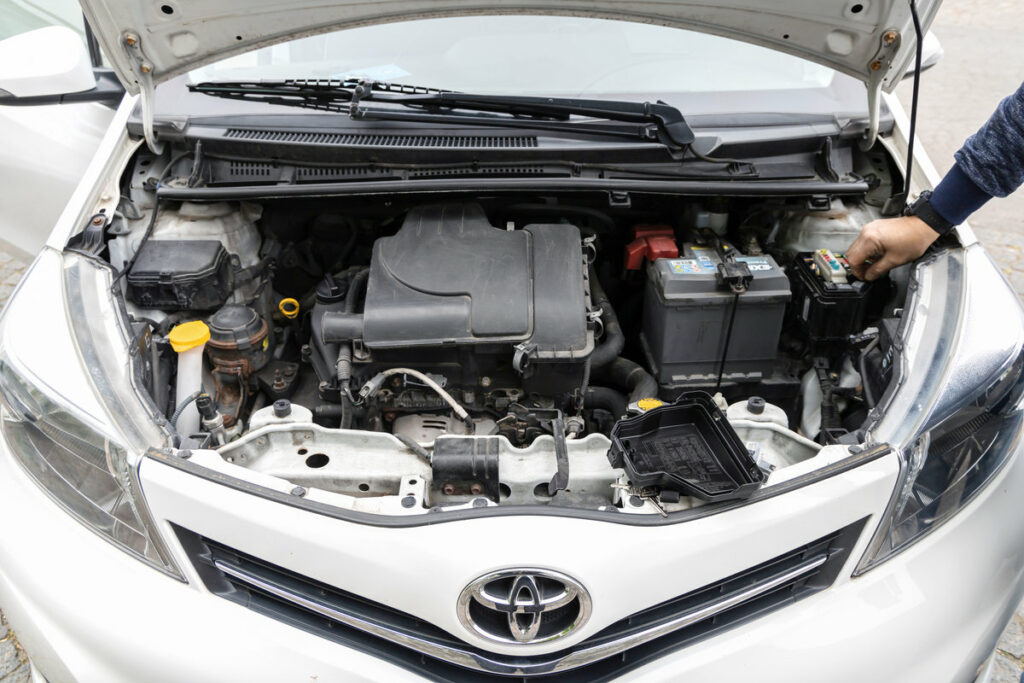
Toyota vehicles, while known for their reliability, exhibit model-specific issues that deserve attention. The Camry’s oil consumption, Corolla’s transmission challenges, and RAV4’s suspension wear highlight mechanical vulnerabilities. Meanwhile, the Tacoma battles frame rust, and the Highlander faces engine misfires. Significantly, the Sienna’s sliding door malfunctions and the 4Runner’s brake system issues raise concerns. Analyzing these problems reveals patterns essential for prospective buyers and current owners.
Toyota Camry: Oil Consumption Issues
Although renowned for its reliability, the Toyota Camry has encountered notable oil consumption issues, particularly in models from the early 2000s to mid-2010s. This problem often stems from engine wear, which exacerbates oil leakage and consumption. Affected Camry models exhibit oil leak symptoms such as oil stains beneath the vehicle, reduced engine performance, and increased exhaust smoke. The primary technical cause is excessive engine wear, especially within piston rings and cylinder walls, leading to oil bypassing combustion chambers. Industry experts recommend regular monitoring of oil levels and timely maintenance to mitigate potential damage. Addressing these concerns early could prevent severe engine issues and maintain the vehicle’s longevity, reaffirming the Camry’s status as a dependable choice when properly managed.
Toyota Corolla: Transmission Concerns
The Toyota Corolla has been noted for several transmission-related issues, including problematic gear shifting that can affect vehicle performance. Transmission fluid leaks have been identified as a common concern, potentially leading to severe mechanical failures if not addressed promptly. Additionally, drivers have reported unusual noises emanating from the transmission, which may indicate underlying issues requiring professional assessment.
Gear Shifting Issues
When examining the transmission concerns of the Toyota Corolla, gear shifting issues emerge as a notable area of discussion among automotive experts. The Corolla is often scrutinized for gear synchronization problems, which can lead to difficulties in seamless changes between gears. These synchronization issues are prominent in models equipped with manual transmissions, where precise gear engagement is vital for peak performance. Additionally, clutch wear issues contribute greatly to shifting difficulties. Over time, the clutch components may degrade, leading to inefficient power transfer and increased friction during gear changes. This wear can manifest as slipping or rough shifts, impacting fuel efficiency and driving comfort. Addressing these concerns requires periodic inspection and maintenance to guarantee the transmission system operates efficiently and reliably.
Transmission Fluid Leaks
In addition to gear shifting issues, transmission fluid leaks present another significant concern for Toyota Corolla owners. Such leaks can stem from worn seals, damaged gaskets, or cracked transmission cases. Effective leak detection is vital for maintaining ideal transmission function. Regular transmission maintenance, including checking fluid levels and inspecting for visible leaks, can prevent severe damage. Ignored leaks can lead to low fluid levels, causing overheating and increased wear, which may result in costly repairs. Industry insights suggest early intervention and routine inspections as best practices to mitigate these risks. Utilizing specialized equipment for precise leak detection can aid in identifying early signs of leakage, ensuring timely repairs and enhancing the longevity of the Corolla’s transmission system.
Unusual Noises Observed
Unusual noises during operation often signal underlying transmission issues in Toyota Corollas, warranting immediate investigation. Engine rattling is a common audible symptom, potentially indicating a misaligned torque converter or failing transmission bearings. Mechanics should prioritize diagnosing the source of this noise, as prolonged exposure can exacerbate wear and lead to costly repairs.
In addition to engine-related sounds, brake squeaking may accompany transmission concerns. This noise could be related to a malfunctioning brake system, indirectly impacted by transmission issues such as inadequate torque delivery. The interplay between the transmission and braking systems necessitates a thorough diagnostic approach. Technicians should conduct a detailed inspection to identify the root cause, ensuring both engine and brake components are evaluated for ideal vehicle performance.
Toyota RAV4: Suspension Problems
Despite its reputation for reliability, the Toyota RAV4 has encountered notable suspension issues that warrant attention. Owners have reported premature wear of suspension components, leading to compromised RAV4 handling and ride quality. The primary concerns involve the struts and shock absorbers, which are integral to the RAV4 suspension system. These parts can deteriorate faster than expected, especially under heavy usage or on rough terrains. Symptoms such as excessive bouncing, uneven tire wear, and a noticeable decline in handling precision are common indicators of these issues. Industry experts highlight the importance of regular inspections and timely replacement of worn components to maintain peak suspension performance. Addressing these concerns promptly can prevent further damage and guarantee the vehicle’s safety and stability.
Toyota Prius: Hybrid System Glitches
How does a vehicle known for its innovation encounter challenges with its core technology? The Toyota Prius, a pioneer in hybrid technology, faces recurring issues with its hybrid system. Central to these is the hybrid battery, which may experience diminished performance or premature failure over time. Such hybrid battery issues can impact overall vehicle efficiency and reliability. Additionally, the Prius’s dependence on sophisticated software means that software updates are critical. However, these updates occasionally introduce glitches that affect the vehicle’s operational dynamics. Industry insiders note that while Toyota is proactive in addressing these concerns through recalls and customer service initiatives, the complexity of hybrid systems necessitates continuous advancements to stay ahead of potential faults, ensuring the Prius remains at the forefront of hybrid innovation.
Toyota Tacoma: Frame Rust
The Toyota Tacoma has been plagued by frame rust issues, primarily due to inadequate rust-proofing and exposure to harsh environmental conditions. This corrosion can compromise the structural integrity of the vehicle, posing safety risks. Industry experts recommend regular inspections, rust-proof coatings, and prompt repairs to mitigate these concerns and extend the vehicle’s lifespan.
Causes of Frame Rust
Although the Toyota Tacoma has earned a reputation for durability, frame rust remains a significant concern that can undermine its longevity. This issue primarily arises from environmental exposure, particularly in regions with harsh winters where roads are heavily salted. Salt accelerates the oxidation process, leading to rust formation. Additionally, the Tacoma’s frame construction and design can trap moisture and debris, further exacerbating corrosion. Inadequate frame maintenance contributes to the problem, as neglecting routine inspections and cleaning allows rust to progress unchecked. Lack of effective rust prevention measures, such as protective coatings, also plays a critical role. Over time, these factors collectively compromise the structural integrity of the vehicle, posing safety risks and potentially leading to costly repairs or frame replacement.
Prevention and Solutions
Addressing frame rust in the Toyota Tacoma requires a strategic approach to prolong the vehicle’s lifespan. Implementing preventive maintenance is essential, involving regular inspections to detect early signs of corrosion. Industry experts recommend using high-quality rustproofing products to coat the frame, acting as a barrier against moisture and road salts. In addition, frequent undercarriage washes, especially during winter months, help in removing corrosive materials. Technicians should focus on inspecting weld points and joints, often prone to rust accumulation. For vehicles already affected by rust, a professional treatment involving rust converters and sealants is advisable. Regular inspections not only identify rust issues but also assess the overall integrity of the frame, ensuring timely interventions, ultimately safeguarding the Tacoma’s structural soundness.
Toyota Highlander: Engine Misfires
Occasional engine misfires in the Toyota Highlander can be attributed to several underlying causes that merit professional scrutiny. Engine diagnostics play a vital role in identifying these misfire causes, which may include faulty spark plugs, ignition coils, or fuel injectors. The intricate nature of engine systems requires pinpointing the exact source of failure to guarantee effective repairs. Misfires can lead to reduced engine performance, increased emissions, and potential damage if left unaddressed.
In some instances, vacuum leaks or issues with the mass air flow sensor may contribute to the problem. Regular maintenance and timely inspections help mitigate these risks. Toyota Highlander owners should consider professional diagnostics to accurately identify and remedy misfire issues, assuring vehicle reliability and longevity.
Toyota Sienna: Sliding Door Malfunctions
When dealing with the Toyota Sienna’s sliding door malfunctions, understanding the mechanical and electronic components involved is vital. Sliding door repairs often arise from issues in the motor, cable assembly, or latch system. Frequent malfunction causes include worn-out cables, corroded electrical connections, or sensor failures. These components are susceptible to wear and tear due to continuous use and environmental factors such as moisture infiltration. Technicians recommend regular maintenance to prevent premature failure, focusing on lubricating moving parts and inspecting electrical connections. Diagnosing the root cause requires a systematic approach, often using specialized diagnostic tools to guarantee accurate identification of faulty components. Addressing these issues promptly is essential for maintaining the safety and functionality of the vehicle’s sliding door system.
Toyota 4Runner: Brake System Woes
Despite its reputation for reliability, the Toyota 4Runner occasionally encounters brake system woes that demand attention. Among the primary concerns is brake pad wear, which can compromise stopping power and lead to increased maintenance costs. Frequent inspection and timely replacement of brake pads are critical to prevent further damage. Additionally, issues with hydraulic fluid can exacerbate braking problems. Contaminated or insufficient hydraulic fluid may result in reduced braking efficiency and increased pedal effort. Regular fluid checks and replacements following the manufacturer’s guidelines are essential to maintain peak braking performance. Industry experts emphasize the importance of routine maintenance to address these issues promptly. Addressing brake pad wear and maintaining hydraulic fluid integrity can greatly enhance the 4Runner’s overall brake system reliability.
Toyota Avalon: Steering Defects
Steering defects in the Toyota Avalon, though infrequent, have been identified as significant concerns impacting the vehicle’s overall handling and safety. One primary issue involves steering alignment, where improper alignment can lead to uneven tire wear and compromised control. This misalignment often results from suspension components that require frequent adjustment, highlighting a potential design oversight. Additionally, the power steering system has reported faults, including fluid leaks and pump failures. These issues can lead to increased steering effort and reduced responsiveness, posing a risk during driving. Industry insights suggest that regular maintenance checks can mitigate these problems, ensuring peak performance. However, persistent defects may necessitate component replacement, underscoring the need for thorough diagnostics to maintain the Avalon’s steering integrity.
Frequently Asked Questions
How to Reset the Maintenance Light on a Toyota?
To reset the maintenance reminder on a Toyota, turn the ignition to ‘ON’ without starting the engine. Press and hold the trip reset button until dashboard indicators flash and reset, indicating the system has updated successfully.
What Is the Recommended Tire Pressure for Toyota Models?
The recommended tire pressure for Toyota models varies by vehicle type and can be found in the owner’s manual or driver’s side door placard. Proper tire maintenance guarantees peak performance, safety, and fuel efficiency across different models.
How Often Should I Change My Toyota’s Air Filter?
Air filter maintenance for Toyota vehicles generally recommends air filter replacement every 15,000 to 30,000 miles. This interval varies based on driving conditions. Regular inspection guarantees ideal engine performance, fuel efficiency, and reduced emissions, according to industry insights.
What Is the Average Lifespan of a Toyota Battery?
The average lifespan of a Toyota battery is typically 3-5 years. Regular battery maintenance, including checking connections and charging levels, can extend longevity, ensuring ideal performance and reliability. Temperature and driving habits also influence battery lifespan considerably.
How Do I Troubleshoot a Toyota Key Fob Not Working?
To troubleshoot a Toyota key fob not working, one should first check the battery. Key fob troubleshooting often involves battery replacement, reprogramming the key, or checking for interference from electronic devices within close proximity.