
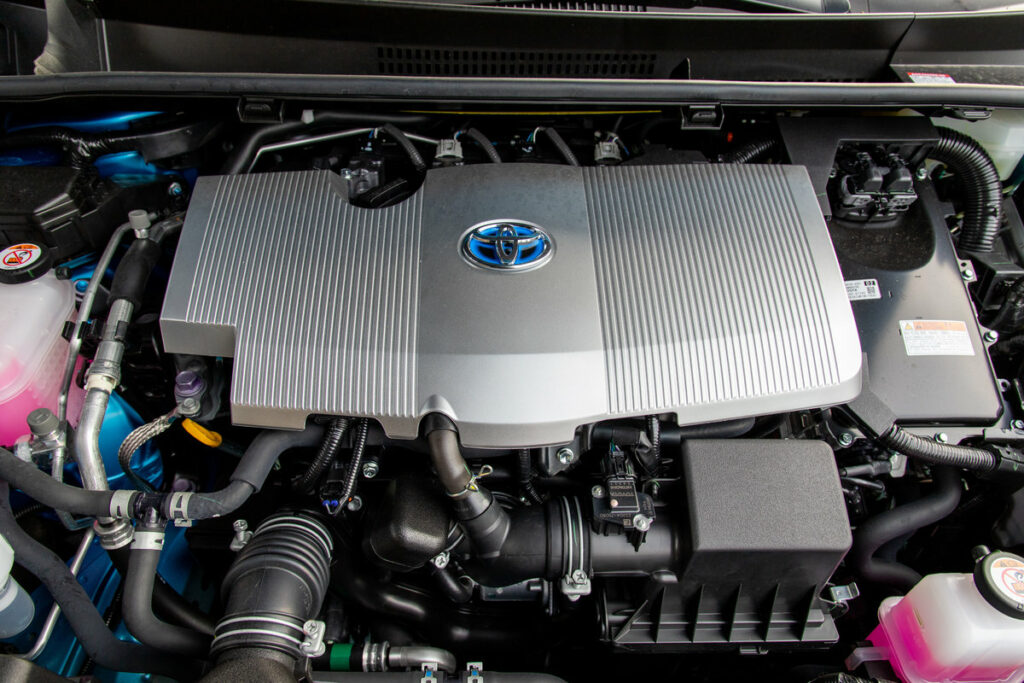
Toyota engines are renowned for their remarkable longevity, a result of meticulous engineering and a commitment to quality. High-quality materials and advanced manufacturing techniques play an essential role in ensuring durability. Rigorous testing and quality control processes further enhance reliability. Additionally, Toyota’s dedication to regular maintenance and continuous research and development fosters innovations that extend engine lifespan. These elements collectively contribute to Toyota’s reputation for producing engines that stand the test of time.
The Role of High-Quality Materials in Engine Durability
In the engineering of Toyota engines, the selection of high-quality materials plays a pivotal role in guaranteeing long-term durability and performance efficiency. Toyota’s meticulous material selection process targets enhancing the resilience of engine components under varying operational stresses. By utilizing advanced alloys and composites, Toyota optimizes the strength-to-weight ratio, resulting in robust yet lightweight engine components. Corrosion-resistant materials are chosen to withstand harsh environmental conditions, thereby extending the engine’s lifespan. The thermal expansion properties of materials are carefully evaluated to maintain dimensional stability and prevent wear during thermal cycling. This attention to material properties guarantees that the engine components maintain structural integrity, contributing to Toyota’s reputation for reliability. Consequently, the strategic material selection directly influences the engine’s ability to perform consistently over time.
Advanced Manufacturing Techniques Employed by Toyota
Toyota employs a multitude of advanced manufacturing techniques to enhance the precision and efficiency of its engine production processes. Central to their approach is the integration of advanced robotics, which allows for meticulous assembly and reduces the potential for human error. Automation integration further complements this by streamlining operations, ensuring a consistent output and optimal use of resources. Toyota’s production lines benefit from synchronized robotic systems capable of executing complex tasks with high accuracy. This synergy between robotics and automation not only accelerates production times but also maintains the high-quality standards synonymous with Toyota engines. Through these sophisticated methodologies, Toyota achieves an unparalleled level of uniformity and reliability in its engines, contributing markedly to their renowned longevity and performance.
Rigorous Testing and Quality Control Processes
Toyota’s commitment to engine longevity is rooted in its rigorous testing and quality control processes, which encompass extensive durability assessments and adherence to precision manufacturing standards. By employing advanced testing technologies, Toyota guarantees each engine meets stringent performance and reliability criteria. These systematic evaluations are pivotal in maintaining the brand’s reputation for producing long-lasting engines.
Extensive Durability Assessments
Engine longevity can be attributed to meticulous durability assessments, where rigorous testing and quality control processes guarantee reliability and performance. Toyota’s commitment to engine longevity research is exemplified by its extensive durability testing methods. These methods include an array of simulations and real-world evaluations designed to replicate various operating conditions. Engines undergo prolonged exposure to extreme temperatures, vibrations, and loads, ensuring resilience across diverse environments. Advanced diagnostic tools monitor engine parameters, enabling precise identification of potential weaknesses. Quality control processes further refine this approach, employing statistical analysis to verify consistency in performance. By integrating these meticulous assessments, Toyota guarantees that its engines not only meet but often exceed industry standards, resulting in a reputation for enduring reliability and customer satisfaction.
Precision Manufacturing Standards
Incorporating precision manufacturing standards, the rigorous testing and quality control processes are pivotal to achieving exceptional engine performance and longevity. Toyota’s engine assembly incorporates strict adherence to manufacturing tolerances, guaranteeing that each component fits within highly specific parameters. Such precision mitigates wear and tear, reducing the likelihood of mechanical failure over time. During assembly, components undergo meticulous inspections to verify adherence to these tolerances, thereby assuring uniformity and reliability.
Quality control extends beyond assembly, encompassing multiple stages of verification. Each engine undergoes stringent testing protocols to confirm operational efficacy under varying conditions. These processes identify potential flaws early, allowing for corrective measures before engines reach consumers. Toyota’s commitment to precision and quality control guarantees their engines maintain peak performance, ultimately contributing to their renowned durability and longevity.
Advanced Testing Technologies
Leveraging state-of-the-art testing technologies, the rigorous evaluation protocols employed by Toyota greatly enhance the precision and reliability of their engines. By integrating advanced engine simulation techniques, Toyota predicts performance outcomes under varied conditions, pinpointing potential weaknesses before physical prototypes are created. This predictive approach allows engineers to refine engine designs, optimizing for durability and efficiency.
Toyota’s testing methodologies encompass both virtual simulations and real-world assessments, guaranteeing thorough engine validation. High-stress scenarios are simulated to evaluate thermal performance and mechanical resilience, while real-world tests confirm these findings. This dual-layered approach assures engines can withstand demanding operational environments. In addition, continuous monitoring during production processes guarantees adherence to quality control standards, reinforcing Toyota’s commitment to delivering engines that consistently meet high reliability benchmarks.
Innovative Design Features for Enhanced Longevity
Toyota’s commitment to engine longevity is exemplified through its innovative design features, including advanced material selection, efficient cooling systems, and precision manufacturing techniques. The use of high-strength alloys and composites enhances durability, while optimized cooling systems maintain ideal operating temperatures, reducing thermal stress. Precision manufacturing guarantees exact tolerances and superior assembly, contributing to the overall reliability and extended lifespan of Toyota engines.
Advanced Material Selection
When examining the impressive longevity of Toyota engines, advanced material selection emerges as a critical factor in their innovative design features. The strategic choice of materials underscores Toyota’s commitment to durability. By integrating alloys with superior material properties, Toyota enhances wear resistance and thermal stability, ensuring peak engine performance over extended periods. Material innovations, such as high-strength steel and lightweight aluminum composites, reduce engine weight while maintaining structural integrity, thereby increasing fuel efficiency without compromising durability. Additionally, the use of corrosion-resistant materials mitigates degradation from environmental exposure, further prolonging engine life. This meticulous approach to material selection is a demonstration of Toyota’s engineering prowess, emphasizing the brand’s dedication to reliable, long-lasting engines that stand the test of time.
Efficient Cooling Systems
Optimizing engine performance and longevity, efficient cooling systems play a pivotal role in Toyota’s innovative design strategy. By integrating highly effective temperature regulation mechanisms, Toyota guarantees that their engines maintain ideal operating conditions. Central to this is the use of advanced coolant efficiency technologies, which facilitate the rapid dissipation of heat. This minimizes thermal stress and mitigates the risk of overheating, a common cause of premature engine wear. Toyota employs precision-engineered components, such as high-capacity radiators and robust water pumps, to enhance heat exchange processes. These components work synergistically to sustain a stable thermal environment within the engine. Consequently, this meticulous approach to managing engine temperatures contributes greatly to the durability and extended lifespan that Toyota engines are renowned for.
Precision Manufacturing Techniques
Precision manufacturing stands as a cornerstone of Toyota’s strategy to enhance engine longevity through innovative design features. By employing precision engineering, Toyota guarantees each engine component adheres to exacting standards, minimizing tolerances that could lead to wear or failure. This meticulous attention to detail reduces friction and enhances durability, key factors in engine longevity.
Manufacturing excellence is achieved through advanced techniques such as automated assembly and real-time quality control, which assure consistency across production lines. Toyota’s commitment to precision engineering is further exemplified by their use of high-quality materials and cutting-edge machining processes. These efforts culminate in engines that not only meet but often exceed longevity expectations, embodying Toyota’s reputation for reliability and durability in the automotive industry.
The Importance of Regular Maintenance and Care
Proper maintenance and care are critical for ensuring the longevity of Toyota engines. Scheduled oil changes and filter replacements are essential to maintaining peak engine performance and efficiency. Regular tire rotations contribute to even wear, enhancing vehicle stability and safety. Consistent fluid checks, including coolant and brake fluids, prevent potential system failures. Adhering to inspection schedules allows early detection of issues through engine diagnostics, minimizing costly repairs. Maintaining thorough maintenance records aids in tracking service intervals, ensuring no aspect of care is overlooked. By rigorously following manufacturer-recommended service intervals, vehicle owners can greatly extend the lifespan of their Toyota engines. To summarize, systematic maintenance not only preserves engine functionality but also reinforces the overall reliability and durability of Toyota vehicles.
Toyota’s Commitment to Research and Development
With a steadfast dedication to innovation, Toyota’s commitment to research and development is pivotal in advancing automotive technology and enhancing engine longevity. The company allocates substantial research funding to explore cutting-edge technologies and develop robust innovation strategies. This investment facilitates breakthroughs in materials, fuel efficiency, and emissions reduction, directly impacting engine durability. Toyota’s meticulous approach includes rigorous testing and iterative design improvements, ensuring engines withstand diverse operational stresses. By prioritizing research funding, Toyota not only advances its engineering capabilities but also strengthens its market position as an industry leader. The automaker’s focus on forward-thinking innovation strategies enables the continual refinement of engine components, contributing to the prolonged lifespan and reliability of its engines, thereby solidifying its reputation for quality.
Lessons From Toyota’s Kaizen Philosophy on Engine Longevity
The principle of continuous improvement, or Kaizen, underpins Toyota’s approach to engine longevity, fostering a culture of systematic enhancement and precise attention to detail. Kaizen principles emphasize iterative refinements in manufacturing, design, and assembly processes, guaranteeing each component’s performance contributes to overall engine durability. By implementing continuous improvement, Toyota identifies inefficiencies and defects at every production stage, leading to innovations that extend engine lifespan. This methodology involves cross-functional teams who scrutinize processes, establishing feedback loops that drive incremental enhancements. The relentless pursuit of excellence in quality control and process standardization guarantees minimal variance and peak functionality. Consequently, Toyota’s engines benefit from improved reliability, reduced wear, and enhanced resilience, illustrating the profound impact of Kaizen on automotive engineering longevity.
The Impact of Efficient Fuel Economy on Engine Lifespan
How does efficient fuel economy contribute to the longevity of an engine? Fuel efficiency directly impacts engine longevity by reducing the workload and heat generation within the engine. When an engine operates efficiently, it consumes less fuel to produce the same amount of power, minimizing wear and tear. Consequently, components such as pistons, cylinders, and bearings experience less friction and stress, which extends their operational lifespan. Additionally, efficient fuel combustion reduces the accumulation of carbon deposits that can impair engine performance over time. This mitigation of internal stressors leads to a stabilization of engine operating conditions, promoting consistent performance. By optimizing fuel efficiency, manufacturers like Toyota enhance engine longevity, ensuring that engines maintain reliability and durability over extended periods of use.
Real-World Performance and Customer Testimonials
While examining Toyota engines in real-world scenarios, customer testimonials provide valuable insights into their performance and reliability. Numerous customer experiences highlight the consistent engine reliability of Toyota vehicles, often surpassing high mileage thresholds with minimal mechanical issues. Reports from long-term users emphasize the engines’ ability to maintain performance efficiency over extended periods, attributing this to robust engineering and precise manufacturing standards. The correlation between customer satisfaction and engine longevity is evident, as many testimonials praise Toyota’s commitment to durable, low-maintenance engines. Additionally, real-world performance data indicates that Toyota engines frequently outperform competitors regarding lifespan and dependability. This consistent feedback from customers underscores the brand’s reputation for producing engines that endure, reinforcing Toyota’s standing in the automotive industry.
Frequently Asked Questions
How Does Climate Affect the Lifespan of a Toyota Engine?
Climate conditions greatly impact a Toyota engine’s lifespan. Temperature extremes, such as excessive heat or cold, can cause thermal stress, affecting engine components’ performance, potentially leading to increased wear and tear, decreasing the engine’s overall durability and reliability.
What Role Do Driving Habits Play in Toyota Engine Longevity?
Driving style and maintenance frequency critically influence engine longevity. Aggressive driving increases wear, while regular maintenance guarantees ideal performance. Ignoring service schedules leads to deterioration, whereas gentle driving and consistent upkeep greatly extend engine life, enhancing Toyota’s reputation for durability.
Are Toyota Engines More Expensive to Repair Due to Their Longevity?
Toyota engines, known for their durability, do not inherently incur higher repair costs. Instead, regular engine maintenance often prevents major issues, reducing overall expenses. Longevity may lead to fewer repairs, consequently maintaining reasonable cost levels.
How Does Engine Oil Choice Impact Toyota Engine Lifespan?
Engine oil choice critically impacts Toyota engine lifespan. Proper oil viscosity guarantees efficient lubrication, while synthetic oils offer enhanced protection against wear and temperature extremes. This combination minimizes friction, reducing engine stress and extending operational longevity.
Do Toyota Engines Have a Longer Warranty Period Compared to Competitors?
With regard to warranty comparison, Toyota engines typically offer similar warranty periods to their competitors. However, their engine reliability enhances consumer confidence, often leading to perceptions of longer-lasting coverage despite equivalent warranty durations.