
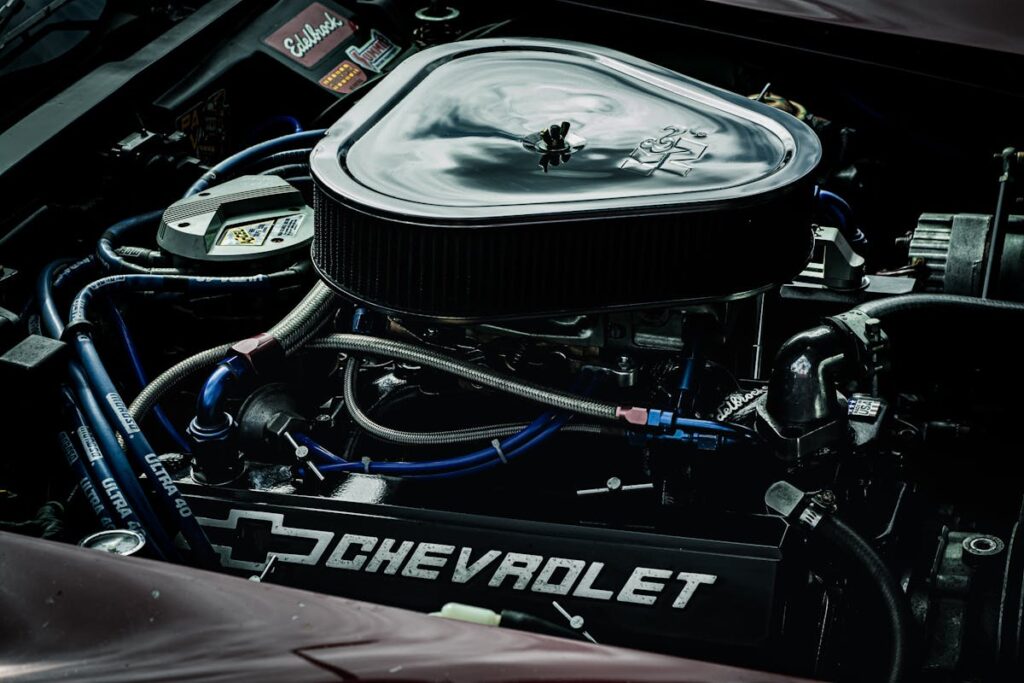
The evolution of Silverado’s fuel economy is a demonstration of the advancements in engine technology and design throughout the years. Initially dominated by powerful V8 engines, early models prioritized power over efficiency. However, the introduction of EcoTec3 engines and hybrid variants marked a pivotal shift towards enhanced fuel efficiency. A continuous focus on lightweight materials and aerodynamics further contributed to these improvements. Understanding these developments offers insights into future trends in Silverado’s performance metrics.
Early Generations: The Foundation of Silverado’s Fuel Economy
Although the Chevrolet Silverado has evolved considerably over the years, the foundation of its fuel economy can be traced back to its early generations. Initial models focused on robust construction and utility, with early designs prioritizing durability over aerodynamic efficiency. However, these foundational models set the stage for future advancements in fuel economy. By analyzing efficiency comparisons, it becomes evident that incremental improvements were made over successive models. Chevrolet engineers gradually introduced design modifications aimed at reducing drag and optimizing engine performance. Despite lacking modern technology, these early iterations provided a vital baseline for understanding the relationship between vehicle weight, engine output, and fuel consumption. Such historical insights offer valuable lessons for enhancing fuel efficiency, shaping the Silverado’s ongoing evolution in the automotive industry.
The Impact of V8 Engines on Fuel Efficiency
The introduction of V8 engines into the Chevrolet Silverado lineup marked a significant turning point in the vehicle’s fuel efficiency trajectory. Historically renowned for their robust engine performance, V8 engines provided a substantial power upgrade, yet often at the expense of fuel efficiency. The increased horsepower and torque, while beneficial for towing and hauling, placed additional demands on fuel consumption. Despite significant advancements in engine technology aimed at improving economy, such as cylinder deactivation and advanced fuel injection systems, V8 engines generally exhibited lower miles per gallon compared to smaller engine variants. The trade-off between engine performance and fuel efficiency remains a critical consideration for consumers, as manufacturers continually endeavor to balance power with the growing demand for eco-friendly solutions in the automotive industry.
Hybrid Models: A New Era for Silverado
With the introduction of hybrid models, the Chevrolet Silverado is entering a transformative phase in its pursuit of enhanced fuel efficiency. This shift reflects a strategic response to evolving market demands and regulatory pressures. Hybrid advantages, such as improved miles per gallon and reduced emissions, position the Silverado as a viable option for environmentally conscious consumers. The integration of electric motors with traditional combustion engines allows for peak energy utilization, leading to significant environmental benefits. This technological advancement not only reduces the carbon footprint but also aligns with global sustainability goals. In this context, the Silverado’s hybrid models are not mere adaptations but a forward-thinking approach, signaling a commitment to innovation within the automotive industry’s evolving landscape.
Diesel Engines: Balancing Power and Economy
Diesel engines in the Silverado exemplify a harmonious blend of robust performance and fuel efficiency, making them a preferred choice for heavy-duty applications. The enhanced towing capacity offered by diesel powertrains is a critical advantage for users who require substantial hauling capabilities. However, the maintenance requirements of diesel engines warrant careful consideration to sustain their longevity and operational efficiency.
Diesel Performance and Efficiency
While modern automotive engineering continuously evolves, diesel engines in the Silverado lineup exemplify an essential balance between power and economy. These engines benefit greatly from diesel tuning, which optimizes their performance parameters, enhancing both output and fuel efficiency. Diesel tuning adjusts the engine control unit (ECU) settings to improve injection timing and boost pressure, maximizing the engine’s potential. Fuel additives also play a critical role, as they enhance combustion efficiency and reduce deposits, thereby improving mileage and engine longevity. The integration of advanced technology guarantees that Silverado’s diesel engines deliver robust torque and horsepower without compromising fuel economy. This synergy of diesel tuning and fuel additives results in a powertrain that meets the demands of both performance enthusiasts and efficiency-conscious drivers.
Towing Capacity Considerations
When evaluating the towing capacity of the Silverado’s diesel engines, it is essential to contemplate the intricate balance between power delivery and fuel economy. Diesel engines are renowned for their robust torque output, enhancing towing performance by providing the necessary force to haul heavy loads. However, this power must be judiciously balanced with fuel efficiency to optimize overall vehicle performance. Silverado’s engineering prowess guarantees that its diesel engines maintain a high payload capacity, allowing them to transport significant weight without compromising efficiency. This equilibrium is achieved through advanced engine management systems that optimize fuel combustion and power output. Ultimately, selecting the right diesel engine configuration in the Silverado involves analyzing the specific towing needs while guaranteeing the vehicle remains economical over long hauls.
Diesel Engine Maintenance
Evaluating the towing capacity alongside fuel economy leads naturally to reflections of diesel engine maintenance, which plays a pivotal role in sustaining the balance between power and efficiency in Silverado trucks. Effective diesel maintenance is critical for guaranteeing engine longevity, especially given the demanding tasks these engines often perform. Regular oil changes, fuel filter replacements, and timely inspections of the turbocharger and exhaust systems are essential practices. Silverado’s diesel engines require specific attention to coolant levels and air filtration systems to prevent overheating and guarantee peak performance. Adhering to manufacturer-recommended maintenance schedules enhances not only the engine’s lifespan but also its fuel efficiency and power delivery. Consequently, diligent maintenance underscores the Silverado diesel engine’s ability to deliver robust performance while maximizing fuel economy.
The Role of Aerodynamics in Fuel Savings
Although often overlooked by casual observers, aerodynamics plays a crucial role in the fuel efficiency of vehicles like the Chevrolet Silverado. An optimized aerodynamic design reduces air resistance, allowing the vehicle to move more efficiently through the atmosphere. This reduction in drag directly correlates to significant fuel savings, as less energy is required to maintain speed. The Silverado’s design engineers incorporate aerodynamic elements such as streamlined body shapes, air deflectors, and underbody panels. These features minimize turbulence and improve airflow around the vehicle, enhancing overall performance. By focusing on reducing drag coefficients, manufacturers can achieve better mileage without altering engine output. This attention to aerodynamic detail underscores the importance of integrated design strategies in achieving superior fuel economy in modern trucks.
Technological Innovations and Their Influence on MPG
Advancements in automotive technology have greatly influenced the miles per gallon (MPG) performance of vehicles like the Chevrolet Silverado. Engine advancements have played a pivotal role in this progress, introducing features such as variable valve timing and turbocharging, which enhance power output while optimizing fuel consumption. The integration of direct fuel injection systems allows for more precise fuel delivery, markedly improving fuel optimization. Additionally, the implementation of lightweight materials in engine components reduces overall vehicle weight, further boosting fuel efficiency. Technological innovations in engine management systems have also contributed to refined control over fuel-air mixtures and combustion processes, ensuring maximum efficiency. Collectively, these advancements have allowed the Chevrolet Silverado to achieve superior MPG ratings, reflecting the industry’s commitment to sustainable automotive solutions.
Comparing Gasoline and Diesel Engine Performance
When examining the performance of gasoline versus diesel engines in vehicles such as the Chevrolet Silverado, it is essential to contemplate several key factors that influence fuel economy and driving dynamics. Gasoline engines typically offer superior gasoline efficiency, translating to lower fuel costs and reduced emissions per mile. However, diesel engines are renowned for their impressive diesel torque, delivering substantial low-end power essential for towing and hauling heavy loads. This torque advantage often results in enhanced drivability under demanding conditions. Additionally, diesel engines generally provide more miles per gallon, contributing to a more extended driving range between fill-ups. Despite a higher upfront cost and maintenance considerations, the choice between gasoline and diesel hinges on user-specific needs, weighing efficiency against performance requirements.
The Rise of EcoTec3 Engines
In the quest to enhance fuel efficiency and performance for trucks like the Chevrolet Silverado, the introduction of EcoTec3 engines marks a significant development. These engines incorporate advanced technologies, including direct fuel injection, variable valve timing, and cylinder deactivation. Such Ecotec3 advancements aim to optimize engine performance while reducing fuel consumption. By enhancing combustion efficiency and minimizing energy loss, these engines deliver improved power output without sacrificing fuel economy. A notable feature is the ability to deactivate cylinders when full power is not required, thereby conserving fuel during lighter loads. This combination of technological improvements positions the EcoTec3 engine as a pivotal factor in advancing Silverado’s competitive edge in the truck market, blending robust performance with eco-conscious engineering.
Future Trends in Silverado Fuel Efficiency
The future trajectory of Silverado fuel efficiency is poised to greatly benefit from advancements in hybrid technology integration and the strategic use of lightweight materials. As automotive manufacturers prioritize reducing carbon emissions and enhancing vehicle performance, the incorporation of hybrid powertrains offers a promising route to achieving these goals. Concurrently, the implementation of materials like high-strength steel and aluminum in vehicle construction is expected to further improve fuel economy without compromising safety or durability.
Hybrid Technology Integration
As automotive manufacturers push towards sustainability, the integration of hybrid technology in the Chevrolet Silverado represents a pivotal shift in enhancing fuel efficiency. Hybrid advantages are evident through the dual power sources that optimize engine performance while reducing emissions. Electric integration allows the Silverado to operate more efficiently during low-speed, urban driving conditions by utilizing electric power, while the internal combustion engine takes over for higher speeds. This synergy not only improves fuel economy but also extends the vehicle’s operational range. The strategic deployment of electric integration guarantees that the Silverado remains a competitive contender in the evolving automotive market. By adopting hybrid technology, Chevrolet aligns with industry trends towards reduced carbon footprints and meets consumer demands for environmentally conscious vehicles without compromising performance.
Lightweight Material Utilization
Building upon the advancements of hybrid technology, lightweight material utilization emerges as an essential strategy in further enhancing the Chevrolet Silverado’s fuel efficiency. By integrating an aluminum body, Chevrolet effectively reduces the truck’s overall weight. This weight reduction greatly improves fuel economy, as a lighter vehicle requires less energy for propulsion. The strategic use of aluminum, known for its strength-to-weight ratio, allows for performance retention without compromising structural integrity. Industry analysts note that such innovations align with automotive trends focusing on sustainability and efficiency. With potential reductions in fuel consumption and emissions, the aluminum body not only meets regulatory requirements but also satisfies consumer demand for greener vehicles. As a result, lightweight materials stand at the forefront of future Silverado advancements.
Frequently Asked Questions
How Does Silverado’s Fuel Economy Compare to Other Trucks in Its Class?
When evaluating Silverado comparisons, it is evident that truck efficiency varies across models. Silverado generally offers competitive fuel economy within its class, yet other trucks may outperform it in specific configurations, showcasing diverse efficiency strengths and weaknesses.
What Maintenance Practices Improve Silverado’s Fuel Efficiency?
Regular oil changes and maintaining clean air filters are essential for enhancing fuel efficiency. These practices reduce engine strain, improve combustion, and promote ideal airflow, thereby ensuring the vehicle operates at peak efficiency and minimizes fuel consumption.
Does Towing Capacity Affect Silverado’s Fuel Consumption?
Towing capacity greatly impacts a vehicle’s fuel efficiency. Increased load demands more engine power, thereby reducing fuel economy. The towing impact on fuel consumption is essential for optimizing performance and understanding the trade-offs in vehicle operation.
How Do Tire Choices Influence Silverado’s MPG?
Tire choices greatly influence a vehicle’s MPG. Proper tire pressure reduces rolling resistance, optimizing fuel efficiency. Meanwhile, tread design affects traction and aerodynamics, with smoother designs generally enhancing fuel economy by minimizing drag and resistance.
What Are the Tax Incentives for Owning a Fuel-Efficient Silverado?
Tax incentives for owning a fuel-efficient vehicle include tax deductions and eco programs. These initiatives aim to reduce environmental impact by encouraging consumers to choose vehicles with better fuel economy, aligning with government sustainability objectives and industry trends.