
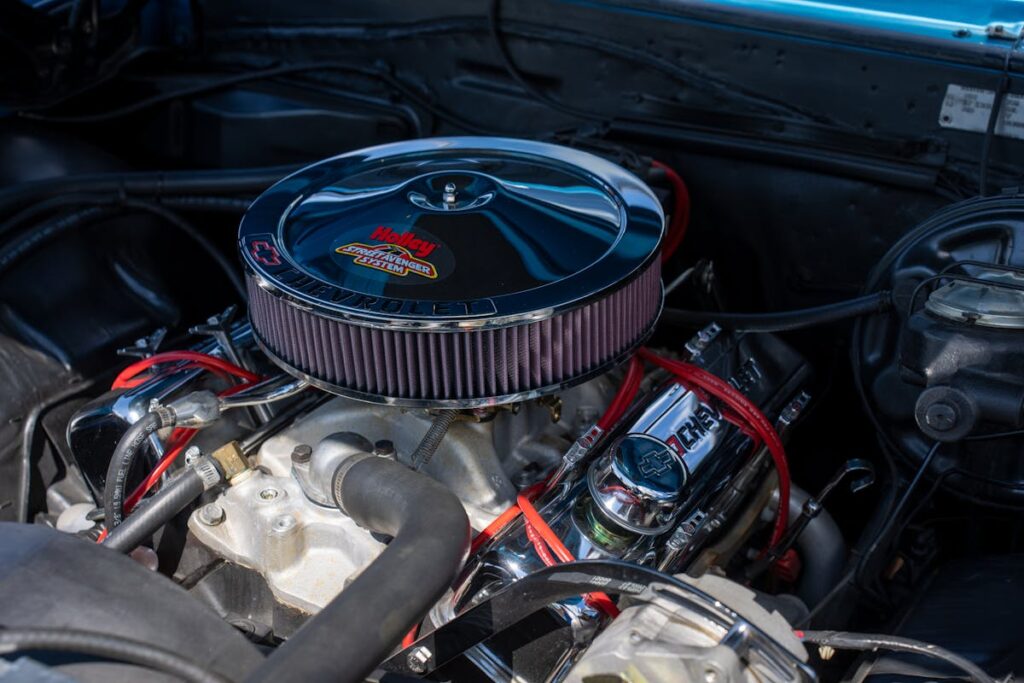
When evaluating the best Silverado engines to avoid versus those to keep, a technical understanding reveals notable distinctions. The 5.3L V8 and 6.2L V8 engines are praised for their balance of power and dependability. Conversely, engines with the Active Fuel Management system often suffer from lifter failures and increased oil consumption. While Duramax Diesel engines are known for their durability, selecting specific model years requires caution to steer clear of chronic issues.
Overview of Chevrolet Silverado Engines
The Chevrolet Silverado is renowned for its diverse range of engine options, each designed to cater to varying performance needs and efficiency requirements. Among the Silverado engine types, the lineup includes a 2.7L Turbo, a 4.3L V6, a 5.3L V8, a 6.2L V8, and a 3.0L Duramax Turbo-Diesel. These engines offer varying horsepower, torque, and fuel economy, meeting the demands of different driving scenarios. The Silverado engine specifications highlight the 6.2L V8 as a powerhouse, delivering robust torque for towing. Meanwhile, the 3.0L Duramax provides commendable fuel efficiency without compromising performance. Each engine type is engineered for specific applications, from light-duty hauling to heavy-duty performance, ensuring that Silverado remains versatile and dependable across its various models.
Common Issues With Silverado Engines
Although the Chevrolet Silverado is celebrated for its robust engine lineup, some common issues have been identified across different engine types. Engine lifespan can be affected by factors such as timing chain wear and oil consumption, which are frequently observed in various models. These issues can lead to reduced performance over time if not addressed. Another concern involves the Active Fuel Management (AFM) system, which, while designed to improve fuel efficiency, can sometimes result in lifter failure and increased oil consumption, necessitating common repairs. In addition, certain Silverado engines may experience problems with fuel injectors and spark plugs, contributing to engine misfires. Regular maintenance and prompt repairs are essential to mitigating these issues and ensuring the longevity of the Silverado’s engines.
Silverado Engines With Known Problems
Certain Silverado engines have been identified with recurring issues that merit attention from both consumers and industry stakeholders. Among the most common problems are engine failures related to camshaft lifter malfunctions and excessive oil consumption, which have been observed in specific model years. Routine maintenance challenges, such as persistent transmission issues and sensor failures, further complicate the ownership experience, highlighting the importance of thorough research and informed decision-making for potential buyers.
Common Engine Failures
While Chevrolet’s Silverado engines are known for their robust performance, some have exhibited common failures that warrant attention. Specific engine models, such as the 5.3L V8 and 6.2L V8, have experienced issues that affect their reliability. Engine performance can be compromised by failure symptoms like excessive oil consumption, which often leads to low oil pressure and potential engine damage. Additionally, some engines have been reported to suffer from faulty fuel injectors, causing misfires and reduced power output. The Active Fuel Management (AFM) system, designed for fuel efficiency, has also been implicated in lifter failures, resulting in rough idling and ticking noises. These issues highlight the importance of monitoring engine health and addressing any symptoms promptly to mitigate further complications.
Recurring Maintenance Issues
Addressing the common failures of Silverado engines, it becomes imperative to understand the recurring maintenance issues that plague specific models. Importantly, recurring oil leaks and engine overheating are prevalent concerns among certain Silverado engines. These issues often manifest in models equipped with the 5.3L and 6.0L V8 engines, where persistent oil seepage can lead to degraded engine performance and potentially costly repairs. Engine overheating is another critical issue, frequently arising from radiator and cooling system inadequacies, exacerbating wear on engine components. Industry insights suggest that these problems necessitate proactive maintenance strategies, including regular inspection of gaskets and cooling systems. By acknowledging these recurring maintenance challenges, Silverado owners can better manage potential pitfalls and extend the longevity of their vehicles.
Best Silverado Engines for Reliability
For those prioritizing reliability in Silverado engines, the Duramax Diesel options stand out due to their robust engineering and long-standing performance record. The Vortec V8 engines are also remarkable, offering a balance of power and durability that has been trusted across multiple Silverado generations. Additionally, the EcoTec engines provide efficient performance without compromising on dependability, making them a popular choice among Silverado enthusiasts.
Proven Duramax Diesel Options
Among the myriad of engine options available for the Chevrolet Silverado, the Duramax diesel engines have established themselves as paragons of reliability and performance. Known for their robust construction and engineering excellence, Duramax engines deliver exceptional Duramax performance, marked by impressive torque and horsepower figures. These engines are designed to endure rigorous conditions, offering diesel longevity that appeals to both commercial and personal users. The integration of advanced turbocharging and intercooling systems enhances fuel efficiency while maintaining peak power output. Industry experts often highlight the engine’s ability to sustain high performance over extensive mileage, with minimal degradation. This makes Duramax a favored choice for those seeking a balance between power and durability, underscoring its prominence in the Silverado lineup.
Vortec V8 Powerhouses
While Duramax diesel engines are celebrated for their durability and torque, the Vortec V8 engines present an equally compelling option within the Silverado lineup, particularly for those prioritizing reliability. Among these, the 5.3-liter and 6.2-liter Vortec V8 engines stand out. Known for their robust construction and efficient design, they deliver a seamless blend of power and dependability. Vortec performance is distinguished by a balanced power-to-weight ratio and consistent output across varying terrains. Vortec reliability is underscored by long service intervals and minimal maintenance requirements, making these engines a stalwart choice for owners seeking longevity. The integration of advanced fuel injection systems and durable components further enhances their reputation, offering a reliable driving experience without compromising on performance.
Efficient EcoTec Engines
How do EcoTec engines stand out in the domain of reliable Silverado engines? These engines are notable for their advanced engineering and focus on fuel economy and engine lifespan. By integrating direct fuel injection and variable valve timing, EcoTec engines achieve peak combustion efficiency, translating into better fuel economy. This technological sophistication not only reduces emissions but also extends engine lifespan by minimizing wear and tear. Industry analysis highlights the EcoTec 3 series, particularly the 5.3L V8 variant, as a paragon of balanced performance and durability. With a robust power-to-weight ratio, these engines maintain Silverado’s towing capacity while enhancing long-term reliability. Consequently, EcoTec engines represent a strategic choice for Silverado owners prioritizing efficiency and longevity in their vehicles.
High-Performance Silverado Engine Options
The high-performance engine options available for the Chevrolet Silverado are engineered to provide a blend of power, efficiency, and reliability, catering to enthusiasts and professionals alike. Among these, the 6.2-liter V8 engine stands out with its robust output, delivering up to 420 horsepower and 460 lb-ft of torque, making it a favorite for those seeking high performance upgrades. Engine tuning is a popular practice with these models, optimizing power delivery and throttle response further. The Silverado’s performance engines are designed with advanced technologies such as dynamic fuel management and direct injection. They not only enhance power but also maintain drivability under demanding conditions. These engines offer an exceptional balance between muscle and practicality, proving indispensable for heavy-duty tasks and spirited driving.
Fuel Efficiency in Silverado Engines
After exploring the high-performance capabilities of Silverado engines, attention turns to their fuel efficiency, a key area of interest for both cost-conscious consumers and environmentally aware drivers. Recent advancements in fuel saving technologies have positioned Silverado models as competitive options in the market. Notable features include cylinder deactivation, which optimizes engine performance by shutting down certain cylinders when full power is unnecessary. Additionally, turbocharged engines offer a balance between power output and fuel economy, ensuring eco friendly options for various driving conditions. Silverado’s integration of lightweight materials also contributes considerably to reduced fuel consumption. These technologies collectively demonstrate Chevrolet’s commitment to improving fuel efficiency without compromising performance. Overall, Silverado engines provide a robust solution for drivers prioritizing both efficiency and capability.
Silverado Engine Maintenance Tips
Proper maintenance is essential to guaranteeing the longevity and peak performance of Silverado engines. Regularly changing engine oil is important, as it lubricates moving parts, reduces wear, and helps dissipate heat. Silverado engines typically require oil changes every 7,500 to 10,000 miles, depending on the model year and driving conditions. Utilizing high-quality oil can further enhance engine efficiency. Additionally, inspecting and replacing spark plugs at recommended intervals is critical. Worn spark plugs can lead to misfires, reduced fuel efficiency, and increased emissions. Silverado engines generally benefit from spark plug replacement every 30,000 to 100,000 miles, based on plug type and engine specifications. Adhering to these maintenance guidelines guarantees peak engine operation and extends the vehicle’s lifespan.
Comparing Gasoline vs. Diesel Silverado Engines
Maintaining a Silverado engine is just one aspect of ensuring peak performance; understanding the differences between gasoline and diesel engine options is equally important for potential buyers and owners. Gasoline engines are typically highlighted for their smoother operation and quieter performance, offering gasoline pros such as lower initial purchase costs and more accessible fueling options. However, these engines can fall short regarding fuel efficiency when compared to their diesel counterparts. Diesel engines, while providing superior torque and enhanced fuel economy, come with diesel cons like higher upfront costs and potentially expensive maintenance due to complex emissions systems. These engines are also known for emitting more noise and vibrations, which may be a critical consideration for those prioritizing cabin comfort.
Choosing the Right Silverado Engine for Your Needs
Why does selecting the right Silverado engine matter so considerably? It is vital due to engine compatibility and power requirements. Prioritizing compatibility guarantees that the engine integrates seamlessly with the vehicle’s design, avoiding potential mechanical issues. Silverado offers various engine options, each catering to different power needs. For heavy towing or hauling, a more robust engine like the 6.2L V8 may be necessary. Conversely, for fuel efficiency and everyday driving, the 2.7L Turbo might suffice. Understanding the balance between power requirements and efficiency helps in choosing an engine that meets specific operational demands without incurring unnecessary costs. Proper selection leads to ideal performance, longevity, and cost-effectiveness, underscoring the importance of informed decision-making in engine choice.
Frequently Asked Questions
What Is the Cost of Replacing a Silverado Engine?
The cost of a Silverado engine replacement varies considerably, influenced by cost factors such as engine type, labor charges, and new versus remanufactured options. Industry insights suggest prices can range from $2,500 to over $7,000.
How Do Silverado Engines Affect Resale Value?
Silverado engines greatly impact resale value through engine reliability, influencing resale trends. Reliable engines often lead to higher resale prices due to reduced maintenance costs and increased buyer confidence, while unreliable engines typically decrease vehicle value in secondary markets.
Are Aftermarket Upgrades Beneficial for Silverado Engines?
Aftermarket upgrades can enhance Silverado engine performance by increasing horsepower and torque. Industry insights suggest these modifications provide benefits such as improved fuel efficiency and longevity, though they may impact warranty coverage and require careful selection to maximize value.
How Does Towing Capacity Vary With Different Silverado Engines?
Towing performance in Silverado models greatly depends on engine specifications. Variants with higher horsepower and torque generally offer superior towing capacity. Industry insights suggest engines like the 6.2L V8 provide ideal towing capabilities due to their robust specifications.
What Are the Warranty Options for Silverado Engines?
Silverado engine warranty options typically include a limited powertrain warranty covering major components. Extended warranties may be available, emphasizing engine maintenance to guarantee reliability. Warranty coverage varies by trim and model year, reflecting industry standards and consumer expectations.