
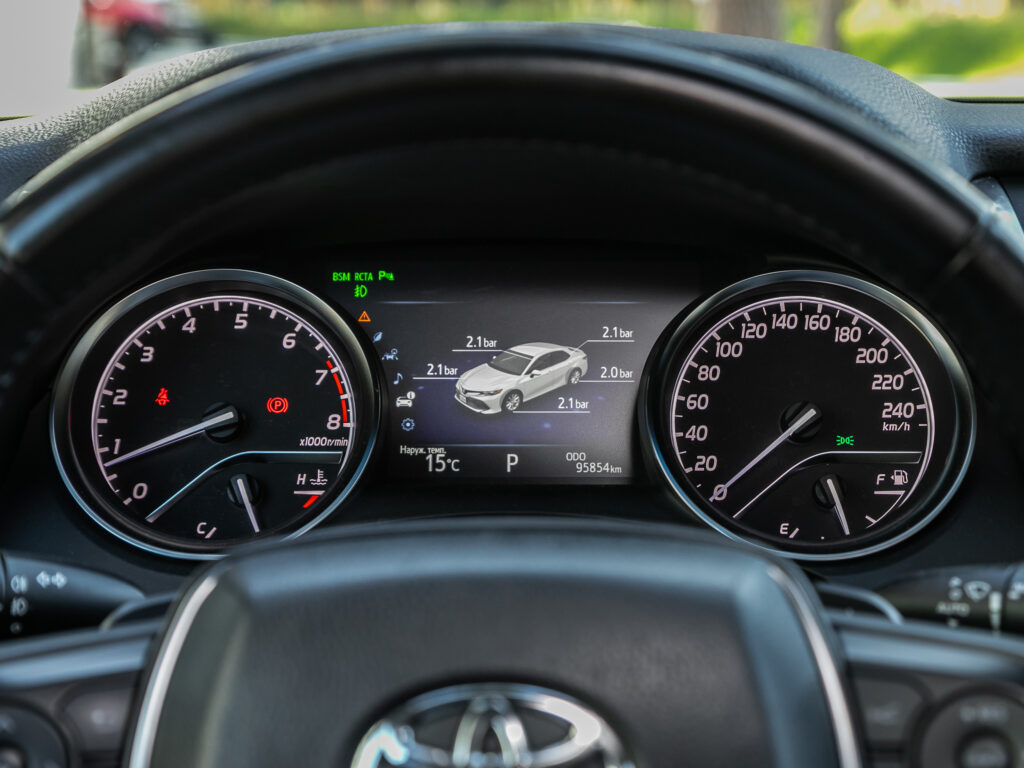
When considering the best mileage for purchasing a used Toyota, it’s important to balance depreciation and longevity. Technical analysis suggests that models like the Corolla and RAV4 can maintain performance with mileages between 30,000 and 60,000 miles. In contrast, the Highlander may still offer reliability up to 100,000 miles. Evaluating the vehicle’s maintenance history is essential, as it impacts future reliability and cost-effectiveness. Understanding these factors can guide a wise investment decision.
Understanding the Importance of Mileage in Used Cars
When evaluating used cars, particularly a brand like Toyota known for its longevity, understanding mileage is essential to determining the vehicle’s value and future performance. Mileage myths often lead to misconceptions about a car’s condition, suggesting that lower mileage always equates to better quality. However, objective analysis reveals that important factors such as maintenance history, driving conditions, and usage patterns are critical in gauging a used Toyota’s worth. Detailed research indicates that a moderately driven vehicle with consistent upkeep can outperform low-mileage cars that have been neglected. Therefore, buyers should consider a holistic view, focusing not solely on the odometer reading but also on thorough maintenance records and mechanical evaluations to gauge a used Toyota’s reliability and potential longevity.
Evaluating Toyota’s Reputation for Longevity
Toyota’s reputation for longevity is supported by its proven durability standards and long-lasting engine performance. Industry analyses indicate that Toyota vehicles consistently achieve high mileage benchmarks, often surpassing 200,000 miles with regular maintenance. This reliability is attributed to meticulous engineering and rigorous quality control measures that guarantee the engines maintain peak function over extended periods.
Proven Durability Standards
Many automotive experts regard the longevity of Toyota vehicles as a benchmark in the industry, attributable to the company’s rigorous durability standards. Toyota’s emphasis on reliability is evident through its thorough testing procedures, which include stress testing under extreme conditions to guarantee structural integrity. This commitment to durability frequently results in reduced maintenance costs, as the likelihood of premature mechanical failures is minimized. Toyota’s robust engineering enhances resale value, as used models often retain higher market prices than competitors. Additionally, owner satisfaction surveys consistently highlight the brand’s dependability, reinforcing consumer confidence. Detailed research indicates that Toyota’s strategic use of high-quality materials and advanced manufacturing techniques directly contributes to their vehicles’ long-term endurance and sustained operational performance.
Long-Lasting Engine Performance
Building upon the foundation of Toyota’s proven durability standards, the brand’s engines stand out as a demonstration of their reputation for longevity. Toyota’s engineering precision emphasizes meticulous engine maintenance protocols, ensuring consistent performance longevity. Detailed analyses reveal that Toyota engines are engineered with high-quality materials and advanced technology, allowing them to withstand significant wear over time. Regular maintenance, including timely oil changes and component inspections, is critical to maximizing engine lifespan. Studies indicate that well-maintained Toyota engines can exceed 200,000 miles while maintaining peak performance. The integration of durable components such as timing chains over belts further contributes to extended engine life. Consequently, Toyota’s focus on robust design and meticulous maintenance protocols underscores their engines’ ability to deliver enduring performance.
Typical Lifespan of Popular Toyota Models
In evaluating the typical lifespan of popular Toyota models, research indicates that the Toyota Corolla often reaches upwards of 300,000 miles with regular maintenance. The Toyota Camry demonstrates notable durability, frequently achieving similar mileage benchmarks due to its robust engine and build quality. Meanwhile, the Toyota RAV4’s longevity is influenced by factors such as driving conditions and maintenance practices, with many units reliably operating beyond 250,000 miles.
Corolla Lifespan Expectations
The Toyota Corolla, renowned for its reliability and longevity, typically boasts a lifespan that can reach up to 200,000 to 300,000 miles with proper maintenance. Key corolla maintenance tips include regular oil changes, timely replacement of air filters, and consistent brake inspections. Such proactive care guarantees peak performance and extends vehicle longevity, subsequently enhancing corolla resale value. Owners who adhere to the manufacturer’s maintenance schedule often see higher returns when reselling. Data indicates that the Corolla retains its value better than many competitors in the compact car segment. Advanced research suggests that this model’s design and engineering contribute greatly to its extended lifespan, making it a preferred choice among used car buyers seeking dependable, long-term transportation solutions.
Camry Durability Insights
Many Toyota Camrys are known for their remarkable durability, often reaching an impressive lifespan of 200,000 to 300,000 miles with diligent maintenance. This longevity is attributed to Camry reliability, which has been consistently recognized in automotive studies. The Camry’s engineering incorporates high-quality materials and design, ensuring resilience against wear and tear. Regular Camry maintenance, including timely oil changes, brake inspections, and tire rotations, plays a critical role in sustaining its durability. Research indicates that adherence to the manufacturer’s maintenance schedule greatly reduces the likelihood of major mechanical failures. Technical reviews highlight that while the Camry’s engine and transmission are robust, attention to routine upkeep is essential. As a result, investing in a well-maintained Camry is considered a sound decision for longevity-focused buyers.
RAV4 Longevity Factors
Although the Toyota RAV4 is renowned for its reliability, understanding the factors that contribute to its longevity is essential for prospective buyers. Key elements impacting the RAV4’s lifespan include adherence to a rigorous RAV4 maintenance schedule and the quality of components used during production. Regular oil changes, timely brake inspections, and transmission servicing play pivotal roles in extending the vehicle’s operational life. Additionally, the RAV4’s engineering emphasizes durable materials and advanced technology, both of which bolster its longevity. When considering RAV4 resale, a well-documented maintenance history greatly enhances its market value. Moreover, geographic location and driving conditions can affect wear and tear, influencing overall longevity. Prospective buyers should evaluate these factors, ensuring a well-maintained RAV4 for ideal performance.
Ideal Mileage Range for a Used Toyota Corolla
A significant factor when evaluating the ideal mileage range for a used Toyota Corolla is its reputation for reliability and longevity. Research indicates that Corollas typically maintain peak performance up to 200,000 miles, with many surpassing this threshold. The ideal mileage for potential buyers would be between 30,000 to 60,000 miles to guarantee both value and dependability. This range balances the benefits of reduced depreciation and less wear, maximizing purchase timing for cost efficiency. Statistically, Corollas in this mileage bracket have a lower incidence of significant mechanical issues. When reviewing the ideal mileage, it is vital to take into account consistent maintenance records, as these enhance the vehicle’s longevity. As a result, a Corolla within this mileage range offers a prudent investment for used car buyers.
Assessing Mileage for a Used Toyota Camry
While evaluating mileage for a used Toyota Camry, it’s important to recognize that, like the Corolla, the Camry is renowned for its durability and reliability. A detailed mileage comparison reveals that Camrys regularly surpass 200,000 miles when properly maintained. Examining the maintenance history is essential; a well-documented record often signifies a vehicle that has been carefully cared for, potentially extending its longevity. High mileage should not be an immediate deterrent if the vehicle has undergone consistent servicing, including regular oil changes and timely replacements of wear-and-tear components. Analyzing mileage alongside maintenance history provides an extensive view of a Camry’s condition, allowing buyers to make informed decisions. Ultimately, these factors collectively influence the vehicle’s remaining lifespan and overall value.
Optimal Mileage for a Used Toyota RAV4
When considering the ideal mileage for a used Toyota RAV4, one might wonder which factors are most critical in making an informed purchase decision. Analyzing mileage trends reveals that RAV4 models typically maintain reliability when purchased under 100,000 miles, contingent upon consistent maintenance habits. Detailed service records indicating regular oil changes, brake inspections, and tire rotations greatly influence the vehicle’s longevity and performance. Research suggests that a well-maintained RAV4 at 60,000 to 80,000 miles offers a balance between depreciation value and mechanical reliability. Buyers should scrutinize the vehicle’s history for adherence to recommended service intervals. A thorough evaluation guarantees that the RAV4’s mileage aligns with robust maintenance practices, optimizing the vehicle’s continued performance and value retention.
Considering Mileage for a Used Toyota Highlander
How does one determine the ideal mileage for a used Toyota Highlander? Analyzing mileage trends and engine wear is critical. Typically, a used Highlander with 60,000 to 100,000 miles offers a favorable balance between cost savings and longevity. Mileage trends reveal that Highlanders often maintain reliability up to 200,000 miles with regular maintenance. However, engine wear becomes a significant consideration beyond 100,000 miles. Detailed research shows that engine components such as the timing belt and water pump may require replacement as mileage increases, impacting overall costs. Evaluating maintenance records alongside mileage provides insight into vehicle condition. Consequently, understanding these factors guarantees an informed decision when purchasing a used Highlander, aligning both budget considerations and performance expectations.
Analyzing Mileage for a Used Toyota 4Runner
The considerations for a used Toyota Highlander offer a valuable framework when evaluating the mileage of a used Toyota 4Runner. With its robust 4Runner features, such as a powerful V6 engine and durable body-on-frame construction, the 4Runner is designed to handle high mileage with relative ease. Detailed research indicates that these capabilities make the 4Runner a dependable choice for buyers seeking longevity in a used vehicle. Objective analysis suggests focusing on models with mileage under 150,000 miles, as these offer a balance between affordability and remaining lifespan. Additionally, examining maintenance records is essential, as consistent service can greatly impact the 4Runner’s longevity. Therefore, analyzing mileage, while considering the 4Runner’s inherent capabilities, aids in making an informed purchase decision.
Mileage Red Flags to Watch Out For in Used Toyotas
Surprisingly, not all mileage numbers on a used Toyota tell the full story of the vehicle’s condition. High mileage can indicate a well-maintained vehicle if regular service records are available, but it can also signal potential wear on critical components like the engine and transmission. Low mileage, while often perceived as favorable, may conceal issues related to prolonged inactivity, such as dry rot in tires or degraded rubber seals. When evaluating used Toyotas, inconsistencies in mileage documentation can be a red flag, suggesting odometer tampering. Additionally, sudden mileage jumps in maintenance records may imply discrepancies. Analyzing both high mileage and low mileage vehicles requires a thorough review of their service history, ownership records, and a meticulous mechanical inspection to guarantee reliability.
Frequently Asked Questions
How Does Mileage Affect Insurance Rates for a Used Toyota?
Insurance factors for a used Toyota include mileage trends, as higher mileage can indicate increased wear and risk, potentially raising premiums. Insurers assess these trends alongside other variables to determine appropriate coverage costs, reflecting vehicle condition and usage.
What Is the Impact of Highway vs. City Mileage on a Used Toyota’s Value?
Highway efficiency generally preserves a vehicle’s condition due to steady speeds, while city wear may lead to more frequent maintenance from stop-and-go traffic. This affects a used Toyota’s value, with highway-driven vehicles often being more desirable.
How Often Should a Used Toyota Be Serviced Based on Mileage?
Used Toyotas should adhere to service intervals outlined in their maintenance schedules. Generally, oil changes occur every 5,000-7,500 miles, while thorough checks, including brakes and tires, are recommended at 15,000-mile intervals for ideal performance and value retention.
Does Mileage Affect the Resale Value of a Used Toyota?
Mileage considerably impacts the resale value of a used Toyota. Current mileage trends indicate that lower mileage often leads to higher resale values. Detailed research supports resale predictions, showing a strong correlation between mileage and depreciation rates.
Are There Specific Toyota Models More Resilient to High Mileage?
Research indicates certain Toyota models, like the Camry and Corolla, exhibit exceptional longevity and high mileage performance. Their robust engineering and reliable components contribute to superior resilience, making them preferred choices for buyers seeking durable used vehicles.